
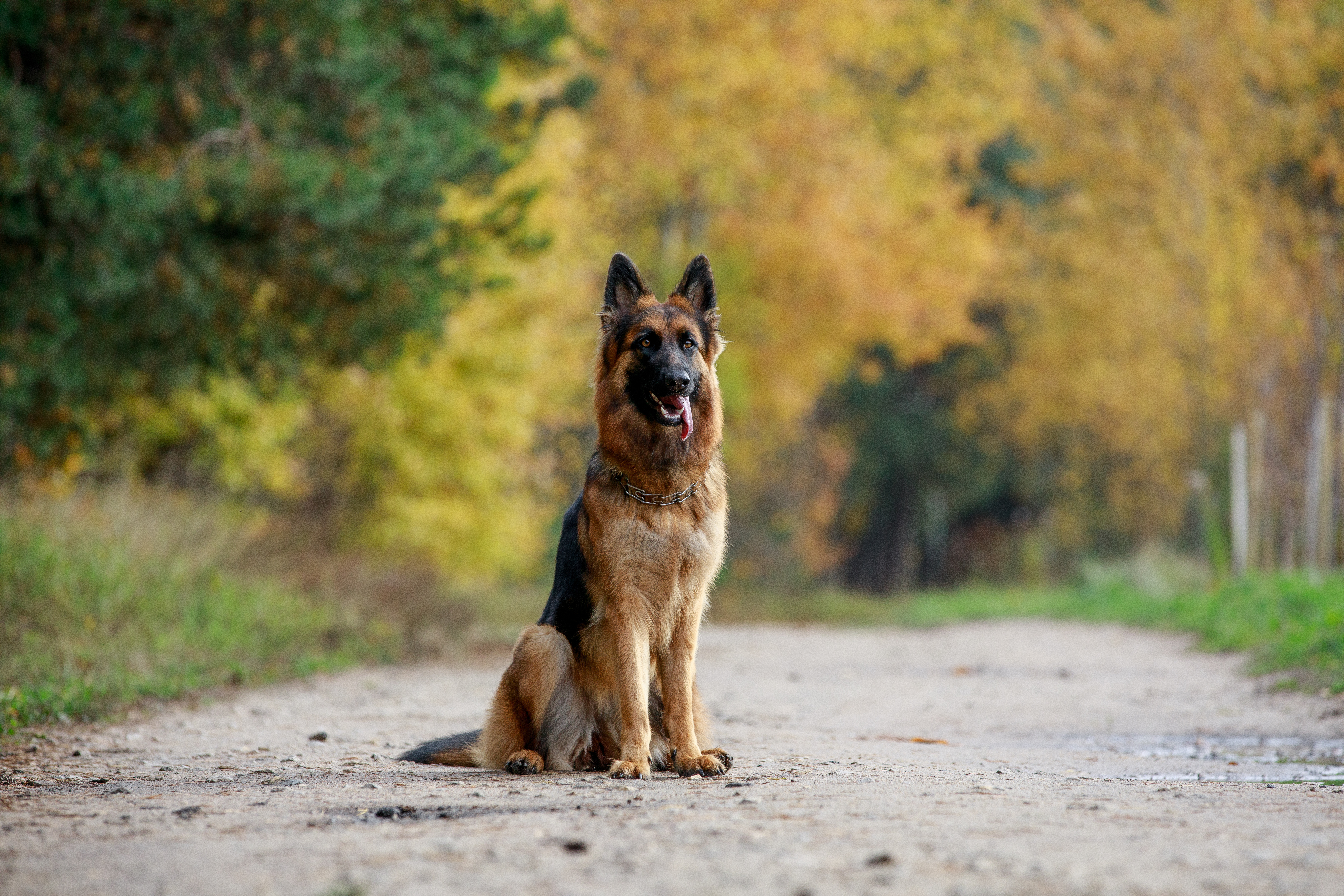
Best Guard Dogs for Kids
When you have children at home, the search for a protection dog gets more serious. You need an animal you can trust around your toddler, your 10-year-old, and every unpredictable moment in between: one that stays calm when a child trips over it, patient when a toddler pulls its ear, and clear-headed enough to tell the difference between roughhousing and a real threat.
German Shepherds, Rottweilers, Belgian Malinois, and Dutch Shepherds consistently rank among the best guard dogs for kids, each bringing a different combination of temperament, energy, and trainability to the table.
But the honest answer is that breed is just a starting point. The best guard dog for kids is one that has been temperament-screened, professionally trained, and socialized specifically around children.
What Makes a Guard Dog Safe Around Children?
Not every well-trained protection dog is a good fit for a home with kids. Parents should look for specific traits when considering a dog for family life:
Patience and tolerance: The dog does not react to sudden movements, loud noises, or unexpected physical contact from children.
Gentle physical awareness: The dog understands its own size and strength around small bodies.
Threat discrimination: The dog can tell the difference between a child playing and a genuine threat.
Obedience under distraction: The dog responds to commands even when children are active and noisy around it.
Socialization depth: The dog has been exposed to children of various ages as part of its training, not just adults
These traits don’t develop on their own. They’re the result of deliberate training and selection. A dog that checks these boxes is one a family can trust.
Age-Specific Considerations
Guard Dogs and Toddlers
Toddlers are unpredictable. They move fast, grab without warning, make sudden loud sounds, and have no sense of a dog’s boundaries. For a protection dog to work in a home with toddlers, its patience and zero-reactivity need to be exceptional.
Training should include direct exposure to toddler-typical behaviors, such as grabbing, stumbling, and sudden contact. Even with the most carefully trained dog, adult supervision is always required when toddlers are involved.
Guard Dogs and School-Age Children
Children in this age range can begin learning how to interact with a protection dog appropriately. They can start to build a real relationship with the animal, follow basic handling guidelines, and understand the dog’s boundaries.
Activity-level matching matters here. High-energy breeds do well with active kids who can help burn off some of that energy through play and outdoor time.
Guard Dogs and Teenagers
Teenagers can take a more hands-on role in a protection dog’s daily routine by reinforcing commands, participating in exercise, and building a genuine working relationship with the dog. At this stage, breeds like the Belgian Malinois or Dutch Shepherd pair especially well with engaged, active teens.
The dog should be responsive to multiple handlers in the household, not just one adult. This makes for a more stable, reliably obedient animal across the whole family.
German Shepherd: The Most Versatile Family Protection Breed
The German Shepherd is widely considered the most versatile family protection breed available. It combines a strong protective instinct with a temperament that tends to be patient and adaptable, which makes it one of the more consistent options for homes with children.
German Shepherds bond deeply with every member of their household, not just the primary handler. They can shift between engaged family companion and alert protector based on the situation, often without any visible cue from the owner.
They do have moderate-to-high exercise needs, which makes them a better fit for active families. For parents researching the best guard dog breeds for families, the German Shepherd belongs at the top of the list.
Rottweiler: Calm Strength and Deep Family Loyalty
Rottweilers have a reputation that doesn’t always match reality. In well-structured homes with clear leadership, they are deeply loyal, calm-natured, and gentle with the children they are raised around.
A well-placed Rottweiler tends to settle its energy around small children, though that quality is shaped as much by training as by the breed itself. Their presence alone is a meaningful deterrent, without requiring any overt display of aggression.
Like any large, powerful breed, Rottweilers do well with consistent structure at home. With that foundation in place, a Rottweiler can be one of the most devoted and steady family guardians available.
Belgian Malinois: High-Drive Protection for Active Families
The Belgian Malinois is one of the most capable protection dogs in the world. It is highly trainable, and has a level of alertness and drive that makes it exceptionally effective in a working role.
That same drive is why the Malinois is best suited for active families with older children or teenagers. High energy and high stimulus needs mean this breed requires structured daily engagement and not just a yard to run in.
So is a Belgian Malinois a good family dog? For homes with very young children, a Malinois placement should be made carefully and with professional guidance. When properly trained, though, the bond a Malinois forms with its family is extraordinary.
Dutch Shepherd: A Steady, Adaptable Guardian Worth Considering
The Dutch Shepherd is less commonly known than the German Shepherd or Malinois, but it belongs in the conversation. It tends to be watchful and loyal to its family unit, and appropriately cautious with strangers without being reactive around the household.
Dutch Shepherds are highly adaptable and respond well to structure and consistent engagement. They work best in active families, such as households where children can help provide the stimulation and interaction this breed thrives on.
For families that want a capable, less common breed with strong protective instincts and a steady temperament around kids, the Dutch Shepherd is worth serious consideration.
How Protection Dogs Are Trained Around Children
At Priority One Canine, socialization with children is built into the training process from the beginning. Dogs are exposed to child-typical behaviors as part of their structured preparation: sudden movement, loud or startling noises, unpredictable physical contact, and the general chaos that comes with family life.
Scenario-based training includes real household situations the dog will encounter, and the delivery and family training process includes hands-on time between the dog and the family's children, so the dog learns the specific people, rhythms, and environment it will be living in.
That preparation is what separates a professionally placed protection dog from a dog that is simply well-trained. Breed selection is part of that picture too. Each of the best protection dog breeds brings a different combination of drive, temperament, and trainability to a household with kids.
Research into how protection dogs interact with children often surprises people who assume the two don't mix well.
How Priority One Canine Prepares Protection Dogs for Families With Children
Every dog we place is temperament-screened specifically for family suitability. That means looking closely at the dog’s patience, how it responds to children’s movements and sounds, and how readily it bonds with an entire household rather than a single handler.
Training includes direct exposure to children and household routines. Dogs are not placed into family environments and expected to adapt on their own.
The delivery process is hands-on. A Priority One Canine trainer works with your family in your home, so the dog learns your environment, your children, and your daily rhythms before it is left in your care.
After placement, support continues. We stay involved because long-term success matters as much as getting the placement right from the start.
If you’re a parent weighing whether a protection dog is the right call for your family, it’s worth understanding how a trained canine compares to other security options. What surprises most parents is learning the ways a protection dog can outperform a bodyguard when it comes to keeping a family safe.
Browse available Priority One Canine protection dogs or reach out to speak with someone who can walk you through what makes sense for your household specifically. Every family is different, and we take that seriously.
Frequently Asked Questions
What is the safest guard dog breed for kids?
German Shepherds are widely considered the most consistently safe guard dog for kids, largely because of their patient temperament and deep household bonding. Rottweilers, Dutch Shepherds, and properly placed Belgian Malinois are also solid options depending on the family’s activity level and the ages of the children involved.
Are protection dogs safe around toddlers?
A professionally trained and temperament-screened protection dog can be safe around toddlers, but the placement needs to be made carefully. Toddlers are unpredictable, and the dog must have been specifically trained for that kind of exposure. Even with the right dog, adult supervision is always required when toddlers are in the picture.
At what age can a child interact with a protection dog?
Children of any age can live in a home with a properly placed protection dog, but the nature of that interaction should match the child’s age. Toddlers require close adult supervision at all times. School-age children can begin learning handling basics. Teenagers can take a more active role in training reinforcement and the dog’s daily routine.
Can a guard dog tell the difference between a child playing and a real threat?
Yes, but this ability is the result of specific training, not instinct alone. Professional protection dogs are trained in threat discrimination as part of their preparation. They learn to read context, not just movement. A dog that has not had this training may not reliably make that distinction, which is why professional placement matters.
Do I need professional training if I want a guard dog around my kids?
For a family with children, professional training is essential. A dog that is only obedience-trained or sport-trained has not been prepared for the specific demands of a household with kids. The socialization, temperament screening, and scenario-based preparation that come with professional placement are what make a protection dog genuinely safe in a family environment.
What should I teach my kids about interacting with a protection dog?
Children should understand that the dog is a working animal, not a toy. Basic rules include not startling the dog from sleep, not pulling on its ears or tail, not approaching the dog while it’s eating, and always checking with a parent before initiating physical contact. A good placement process will walk families through this directly.
How long does it take for a protection dog to adjust to a home with children?
Most professionally placed protection dogs adjust within a few weeks, though this varies by dog and household. The delivery and integration process is designed to accelerate that adjustment by introducing the dog to the family’s specific environment, people, and routines before handoff. Ongoing support after placement helps address anything that comes up during the transition.