
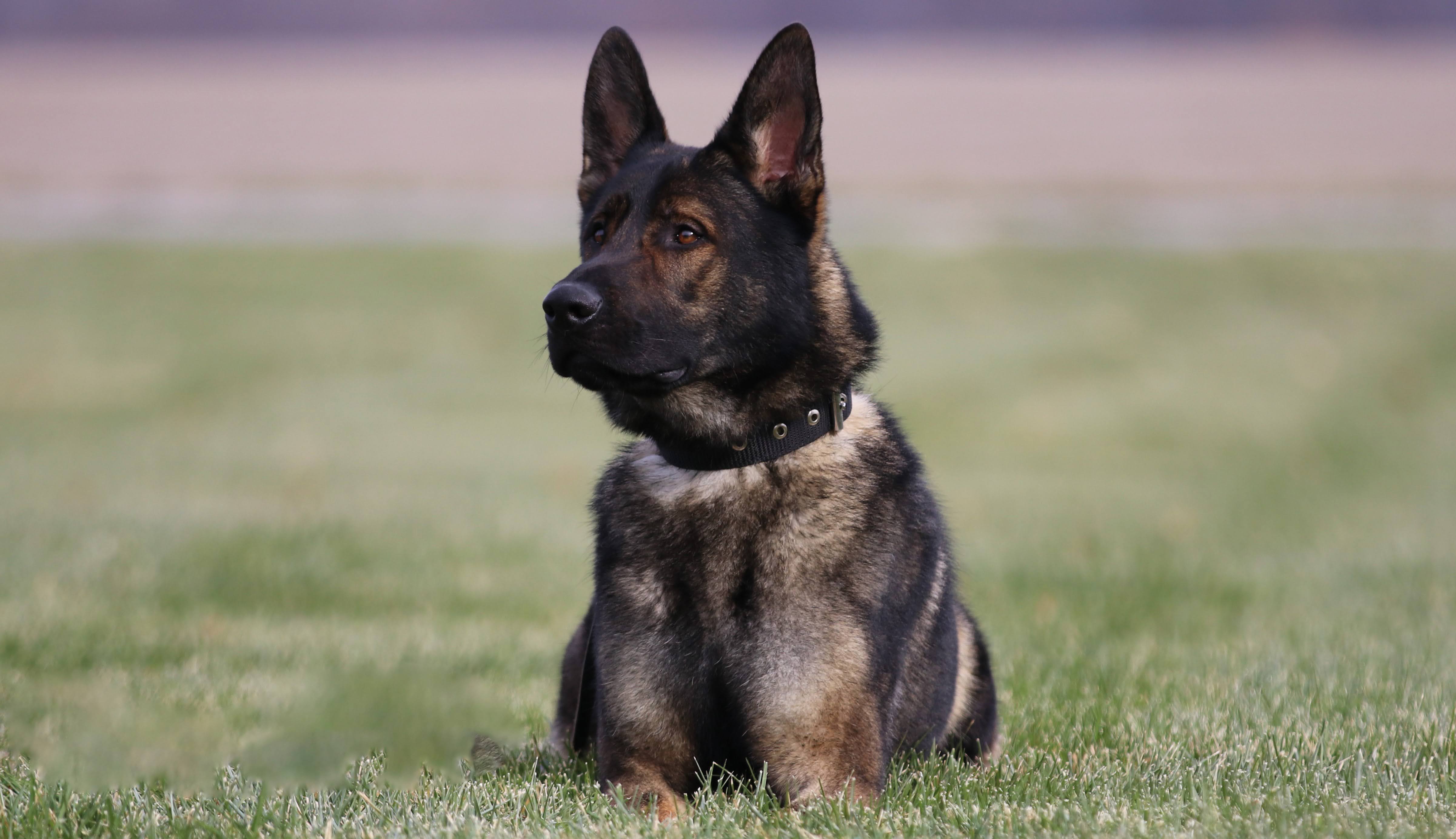
German Shepherd Protection Dogs
Few breeds have earned the trust of families, professionals, and security teams the way the German Shepherd has. It wasn’t bred for a single task; it was developed to be capable across roles, adaptable to different environments, and deeply connected to the people it works with. That versatility is what makes the German Shepherd one of the most reliable protection dogs in the world.
At Priority One Canine, we select, develop, and place elite German Shepherds with families and individuals who take security seriously. Every dog in our program is purpose-bred, professionally trained, and ready to integrate into your household from day one.
Are German Shepherds Good Protection Dogs?
Yes, and the reason goes back to the breed’s origins. Captain Max von Stephanitz developed the German Shepherd in 1899 with a specific goal: create a dog defined by intelligence, utility, and a cooperative relationship with a handler. That foundation still drives the breed today.
What sets the German Shepherd apart is that it wasn’t designed for a narrow role. Unlike breeds developed to herd, hunt, or guard exclusively, the German Shepherd was built to be capable across tasks. That adaptability is why it became one of the most trusted working breeds in the world and why it continues to serve in law enforcement, military, search and rescue, and private security.
Natural ability matters, but it isn’t enough on its own. Professional selection and development are what separate a well-trained protection dog from an untrained pet. The right German Shepherd, developed by the right hands, is a different animal entirely.
At a Glance: German Shepherd as a Protection Dog
Intelligence: One of the most trainable breeds in the world. German Shepherds learn quickly, retain commands reliably, and adapt well to complex tasks.
Trainability: Highly responsive to structured development. With the right training, a German Shepherd builds a precise, consistent skill set that holds up under real-world conditions.
Alertness: Naturally aware of their environment and attentive to changes in it. A German Shepherd tends to notice things before you do.
Physical capability: Athletic, enduring, and built for sustained performance. The German Shepherd combines speed, strength, and agility in a lean, functional frame.
Loyalty: German Shepherds tend to form strong bonds with their household and take their role within the family seriously.
Best fit: Active households, families who want a daily companion as much as a protection dog, and owners who plan to include the dog in everyday life.
May not be the right fit: Very sedentary households, owners who want a low-maintenance or fully independent guard dog, or homes without consistent structure and engagement.
Why German Shepherds Make Great Protection Dogs
Captain Max von Stephanitz founded the breed in Germany in 1899 with a deliberate focus on utility, intelligence, and versatility. While other working breeds were developed for a single job, the German Shepherd was designed from the start to be capable across roles: herding, guarding, tracking, and working closely alongside a handler. That breadth of purpose is what makes it such a natural fit for protection work today.
German Shepherds are consistently ranked among the most intelligent breeds. They learn quickly, retain commands reliably under different conditions, and respond well to the kind of structured development that separates a well-trained protection dog from a pet with basic obedience. That trainability is what makes the dog dependable when it actually matters.
According to the American Kennel Club (AKC), the breed also carries a strong protective instinct rooted in household loyalty. A German Shepherd tends to be watchful over its family and aware of its environment in a way that translates directly into effective protection. These traits are channeled and refined through professional training, not left to chance.
It’s also why German Shepherds are trusted globally in professional roles. Law enforcement, military, and private security organizations continue to rely on the breed because of its proven track record across real-world environments. That credibility is earned.
Temperament and Family Integration
A common question from families considering a protection dog: is a German Shepherd safe with children? It’s a fair concern, and the answer depends on how the dog was developed.
Well-bred German Shepherds with professional training tend to bond closely with their household and can be attentive and gentle with children. The difference between a dog like that and an untrained pet isn’t the breed; it’s selection, training, and placement. A professionally developed German Shepherd is built for family integration from the ground up.
Physical Capability and Drive
The German Shepherd’s build reflects what it was designed to do. Lean and athletic rather than heavily muscled, the breed is built for sustained performance: endurance, speed, and agility in a frame that can hold up over time.
German Shepherds typically stand 22-26 inches at the shoulder and weigh between 50 and 90 pounds. Their double coat provides insulation across a range of environments. Physically, they’re well-suited for protection work; they are fast enough to respond, strong enough to be effective, and athletic enough to perform reliably without breaking down under regular demands.
That capability is always channeled through training. A dog’s physical ability only matters when paired with the control, precision, and reliability that professional development provides.
Is a German Shepherd the Right Protection Dog for Your Household?
The German Shepherd thrives in homes where it’s genuinely part of daily life. Active families, households with children, and owners who want both a capable protection dog and an engaged companion tend to be a strong fit. This is a breed that does best with structure, interaction, and a real role to play in the household.
A German Shepherd may not be the right fit for very sedentary households or owners looking for a low-maintenance, independent guard dog. The breed does best when it’s included, not isolated. Without consistent engagement and structure, even the best-trained dog won’t perform the way it should.
If a German Shepherd isn’t the right fit, other breeds may be worth considering. The Doberman tends to excel in deep one-on-one bonding scenarios. The Belgian Malinois suits higher-drive households with experienced handlers. Dutch Shepherds offer exceptional athleticism, and the Rottweiler brings a steady, grounded presence that appeals to owners who want a calm but capable guardian. We’re happy to talk through which direction makes the most sense for your household.
How Priority One Canine Places German Shepherds
Every German Shepherd we place is purpose-bred, professionally developed, and ready for family integration before we ever deliver the dog. We place a limited number of dogs each year intentionally, because getting it right matters more than volume.
Our process starts with a real conversation about your lifestyle, activity level, living situation, and what you're actually looking for in a protection dog. We're looking to find the right fit for your household. If that's a German Shepherd, we'll tell you why. If another breed is a better match, we'll tell you that instead.
Selection focuses on temperament stability, trainability, and genuine family compatibility. We're not chasing the highest-drive dog or the most intense animal. We're building toward a dog your family can actually live with, work with, and trust.
Once the right dog is identified, we deliver in person and spend several days at your home working with your entire family. You'll learn how to handle, care for, and work with your dog on your own property, in your vehicles, and inside your residence. That hands-on family training process is what turns a placed dog into a working member of your household. Our support continues well beyond delivery.
German Shepherd Protection Dogs in Our Program
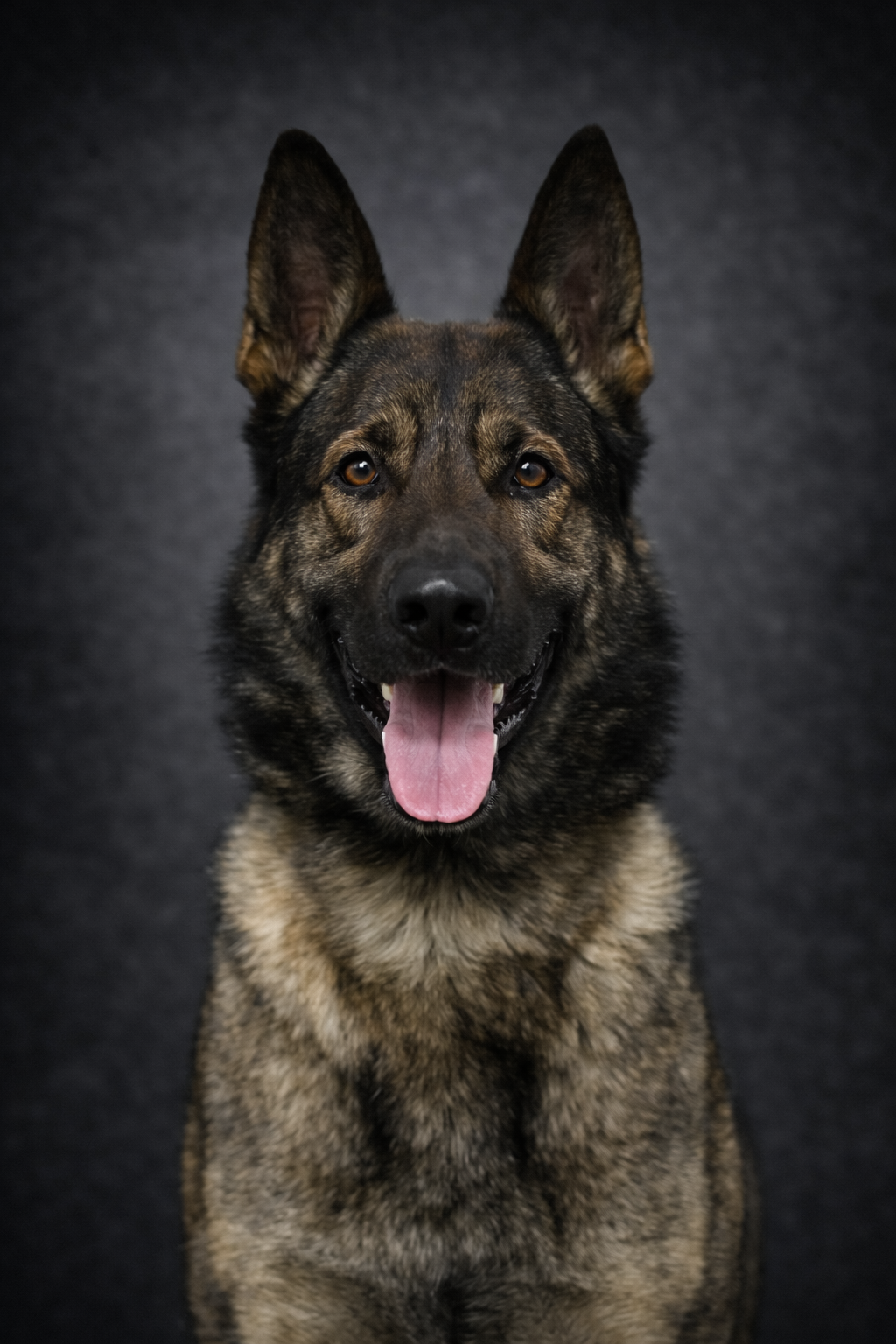
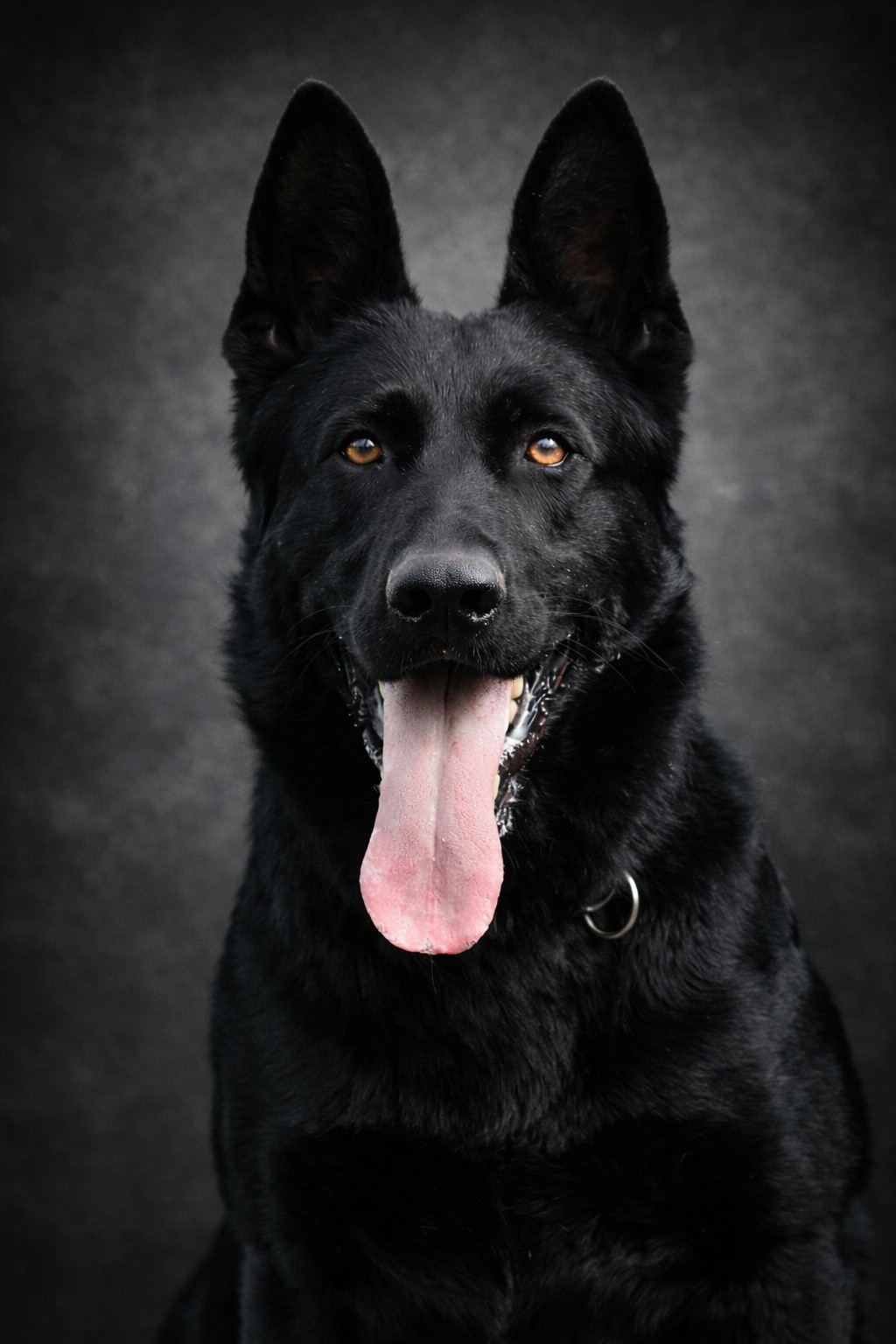
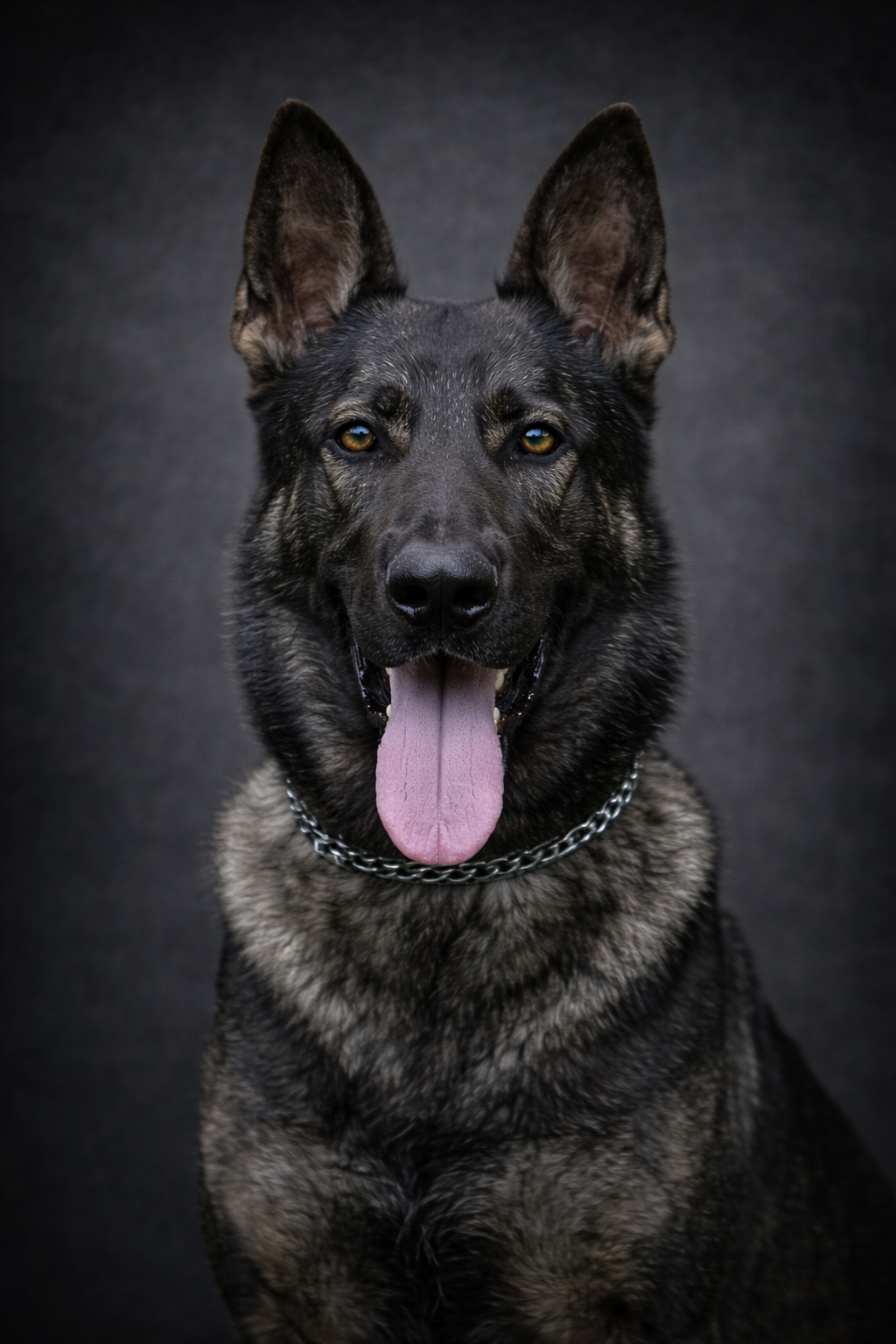
The dogs below represent the German Shepherds currently available in our program. Each one has been selected, developed, and prepared for family placement.
|
|
|
$125,000 | $125,000 | $125,000 |
Find Out If a German Shepherd Is Right for Your Family
The best way to know whether a German Shepherd is the right fit is to have a real conversation about your household, your goals, and what you’re actually looking for in a protection dog. We’ll listen, ask the right questions, and give you an honest answer.
Reach out to Priority One Canine when you’re ready to take the next step. We’ll talk about what protection means for your family and what the right dog looks like for you.
Frequently Asked Questions
Are German Shepherds safe around children?
A well-bred, professionally developed German Shepherd can be a calm and attentive presence around children. The difference between a family-integrated protection dog and an untrained pet is selection, training, and placement rather than breed. Every dog we place goes through a deliberate development process designed with family integration in mind, including proper introductions to all household members during delivery.
How does the German Shepherd compare to a Doberman or Belgian Malinois for protection?
All three are capable protection breeds, but they suit different households. The German Shepherd is generally the most versatile of the three; they are trainable, adaptable, and well-suited to family life across a range of activity levels. The Belgian Malinois is higher drive and better suited to experienced handlers or very active households. The Doberman excels in close-bonding environments and tends to be particularly attuned to a single handler or tight family unit. The right breed for you comes down to your lifestyle, activity level, and what kind of relationship you want with your dog.
Are German Shepherds difficult to train?
No, they’re among the most trainable breeds in the world. German Shepherds learn quickly, retain commands reliably, and respond well to structured development. That trainability is a significant part of why the breed is trusted in professional roles globally. The dog you receive from us is already fully trained; the family training during delivery is about building your confidence and your working relationship with the dog.
Is a German Shepherd right for a first-time protection dog owner?
Yes, the German Shepherd is one of the more accessible protection breeds for households new to owning a trained dog. The breed is responsive, adaptable, and tends to settle into a household routine well. Our delivery process is designed to walk every family through exactly how to handle, work with, and care for their dog regardless of prior experience. You don’t need a background in dog training, but you do need to be willing to engage consistently and follow through on what you learn during delivery.
What is Priority One Canine’s process for placing a German Shepherd?
It starts with a conversation about your lifestyle, household, goals, and what you’re actually looking for. From there, we work together to identify whether a German Shepherd is the right direction and which dog in our program is the best fit. Once a dog is selected, we deliver in person and spend several days working with your family on handling, obedience, protection scenarios, and property integration.