
What Makes the Dutch Shepherd Built for Protection?
The Dutch Shepherd’s origins trace back to the Netherlands, where the breed developed as a working and herding dog. Herding breeds require intelligence, awareness, and close cooperation with humans. Those same traits translate naturally into protection work.
Dutch Shepherds tend to be highly aware of their environment. They notice changes in surroundings, unfamiliar movement, and shifts in human behavior. This awareness becomes a valuable foundation when properly directed through training.
However, there is a critical difference between instinct and professional development.
A dog with natural watchfulness may alert its family to unusual activity. A trained protection dog, by contrast, understands structured commands and responds predictably under pressure. Training provides the discipline that turns natural instincts into reliable protection.
Bloodlines also matter. Elite breeders focus not only on physical traits but also on temperament, stability, and trainability. At Priority 1 Canine, these factors are carefully evaluated to ensure each dog has the potential to become a balanced family protection dog.
Intelligence and Drive: The Dutch Shepherd Advantage
Few breeds match the Dutch Shepherd’s working intelligence.
These dogs learn commands quickly, retain training well, and remain engaged with structured tasks. This mental capability allows trainers to develop complex obedience and protection responses that remain dependable over time.
High drive is another defining characteristic of the breed. Drive simply means the dog has a strong motivation to work, learn, and engage with tasks.
When properly directed, that drive becomes a powerful advantage:
- High intelligence → faster training development
- Strong drive → consistent performance in structured work
- Task focus → reliable responses under distraction
- Engagement with family → clearer communication between dog and family
The key difference lies in structure. Raw drive without training can produce unpredictable behavior. Drive paired with disciplined training produces clarity, control, and dependable protection capability.
That foundation is what allows Dutch Shepherd protection dogs to operate confidently in both structured training environments and everyday family life.
Physical Capability and Presence
The Dutch Shepherd has a lean, athletic build designed for endurance and agility. Rather than relying on sheer size, the breed excels through speed, balance, and precision.
This physical design allows the dog to remain active and responsive for long periods without fatigue. It also contributes to the breed’s versatility in different environments.
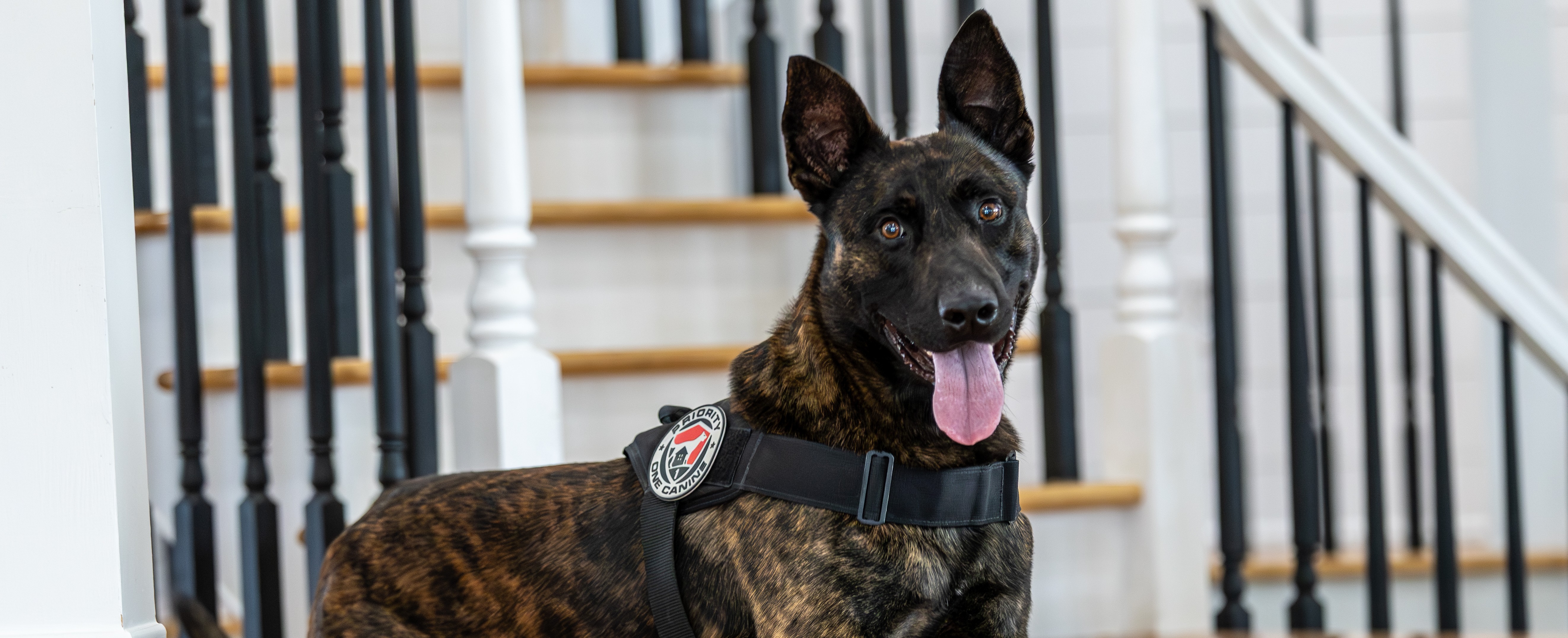
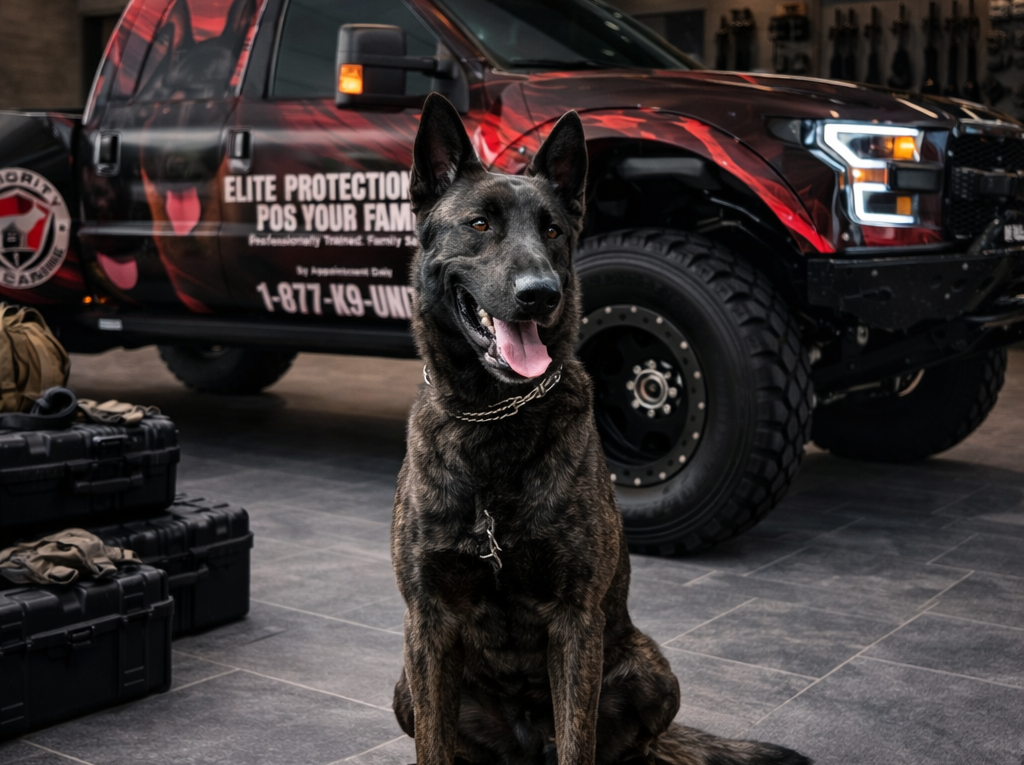
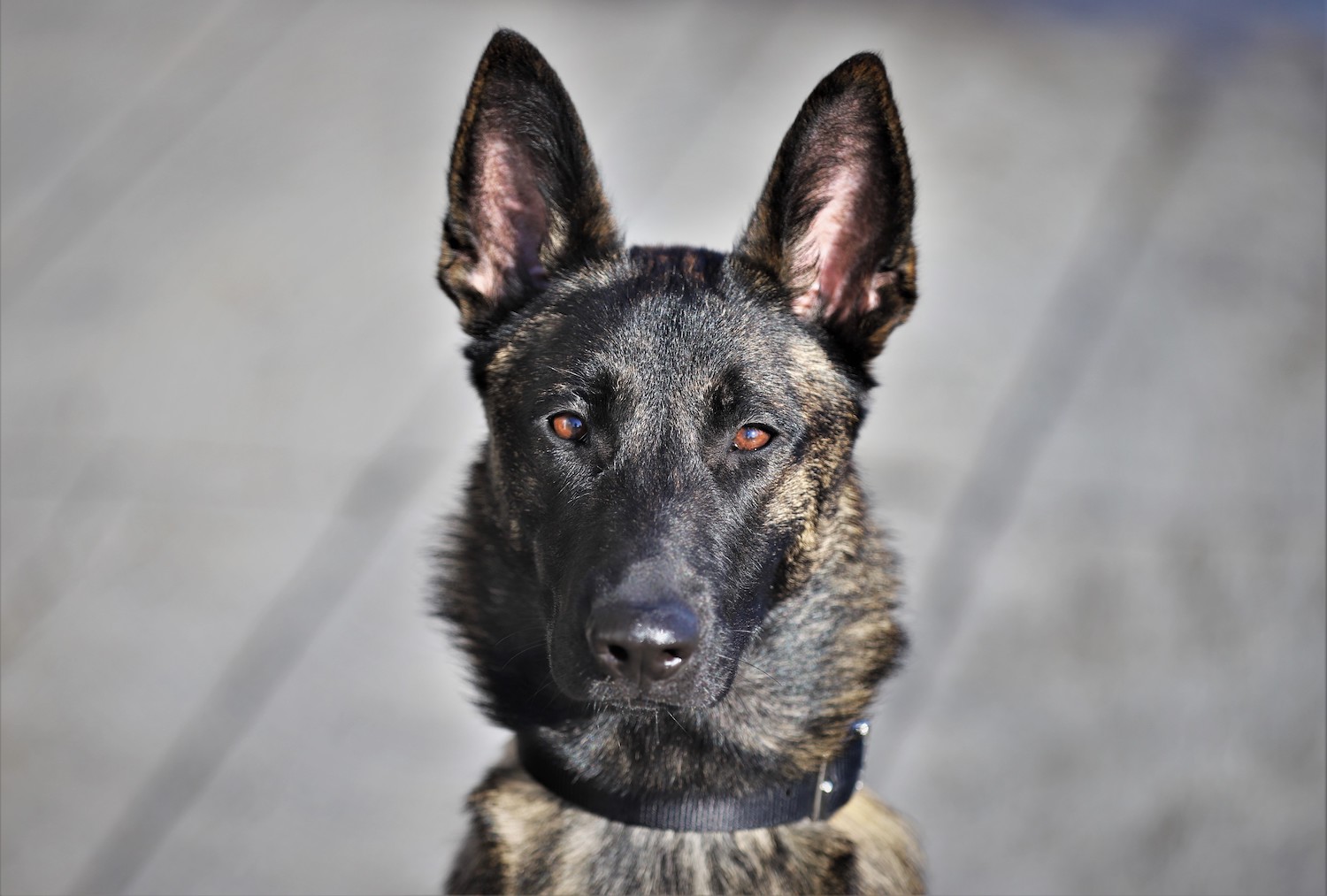
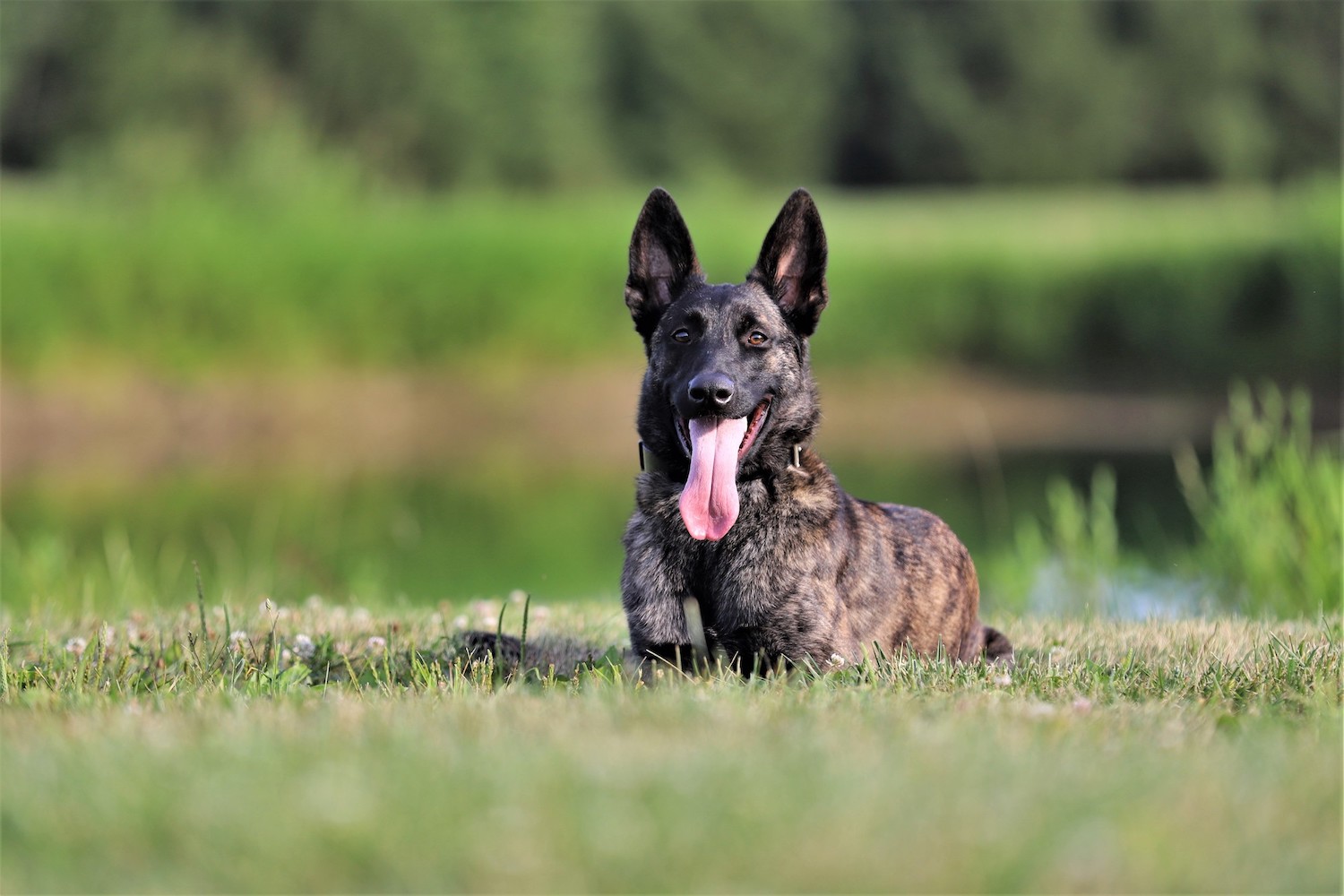
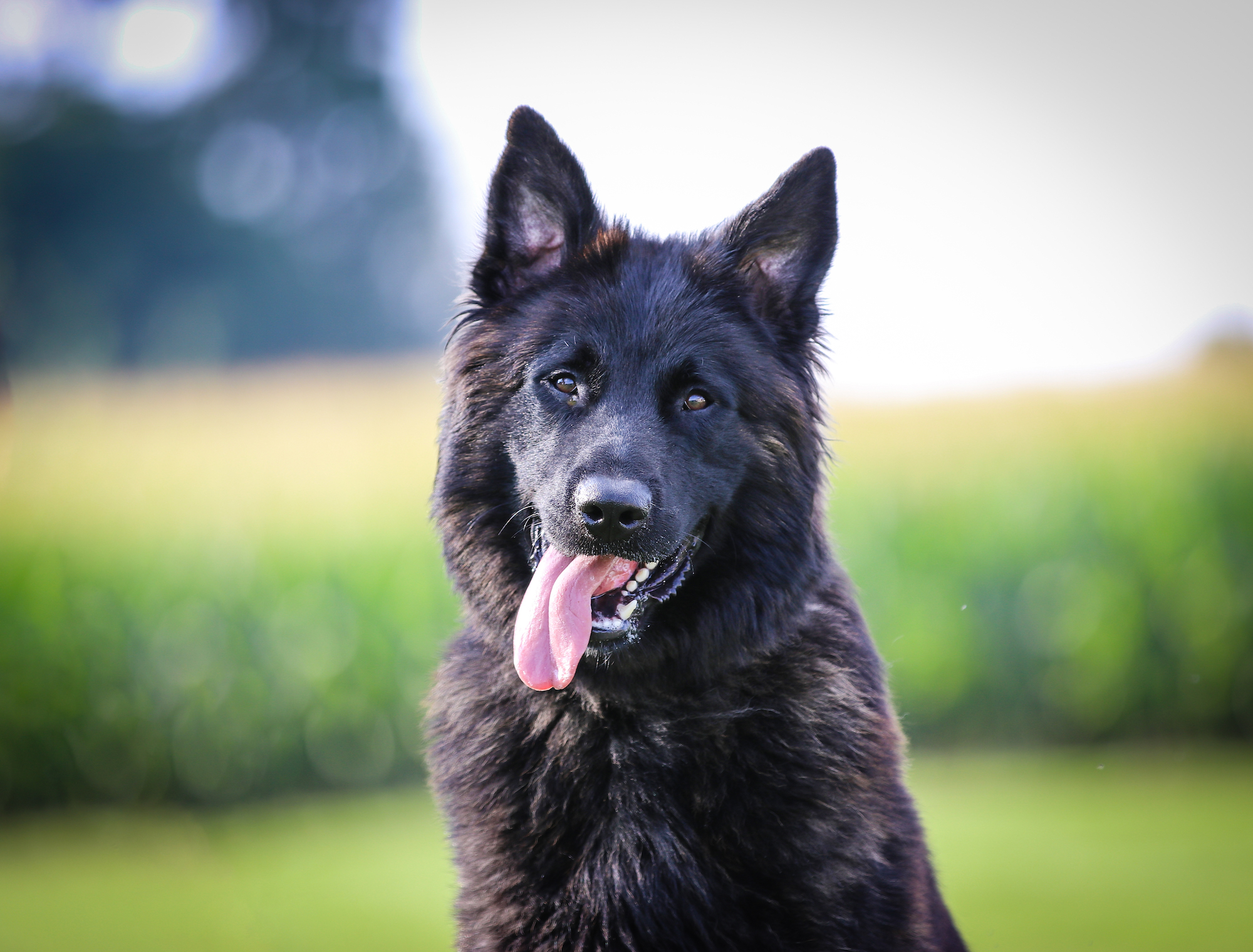
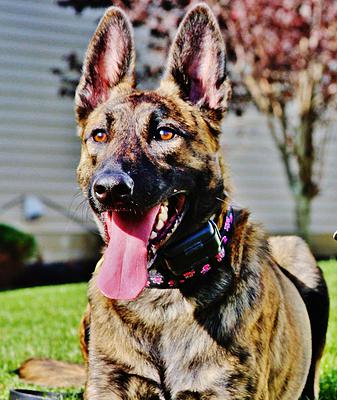
The Dutch Shepherd’s brindle coat is one of its most distinctive features. The pattern creates a unique appearance that immediately stands out while maintaining the breed’s working-dog heritage.
Equally important is the breed’s natural presence.
A well-trained Dutch Shepherd carries itself with calm confidence. That composure alone can act as a powerful deterrent, signaling awareness and readiness without aggressive behavior.
Compared with larger protection breeds, the Dutch Shepherd often offers:
- Greater agility
- Faster response time
- Easier adaptability in different environments
For a deeper look at the breed’s characteristics, the American Kennel Club provides a helpful Dutch Shepherd breed overview.
Dutch Shepherd Temperament in a Family Home
One of the most important traits of the Dutch Shepherd is its loyalty to the household.
These dogs form strong bonds with the people they live with. They tend to remain attentive to family members while staying calm during everyday activities.
In a well-structured home environment, a trained Dutch Shepherd becomes:
- A watchful household presence
- A trusted companion for daily life
- A responsive guardian when needed
Exercise, mental stimulation, and consistent routines help the breed thrive. Because Dutch Shepherds enjoy working alongside their families, they respond best when they are included in normal household activities rather than isolated from them.
This balance is one reason many families consider professionally trained protection dogs instead of relying solely on traditional security measures.
Many families exploring personal security may ask, can a protection dog outperform a bodyguard? In certain situations, a trained protection dog can outperform a bodyguard, especially because the dog lives with the family and provides constant awareness and presence within the home.
The Training Standards That Define Real Protection
The difference between a Dutch Shepherd with professional training and one without it is significant.
Professional development focuses on three core priorities:
- Temperament stability
- Obedience and control
- Reliable protection response
Priority 1 Canine begins by selecting dogs with balanced personalities. A stable temperament is more important than raw drive or intensity.
From there, structured training teaches the dog to respond calmly in everyday situations while remaining capable of responding appropriately to genuine threats. True protection training focuses on discipline and control.
A well-trained Dutch Shepherd should be:
- Calm and predictable at home
- Responsive to clear commands
- Capable of switching from relaxed companionship to protective awareness when necessary
During our delivery and family training process, families also receive hands-on guidance during placement to ensure the transition into the household is smooth.
Is a Dutch Shepherd the Right Protection Dog for Your Household?
The Dutch Shepherd can be an exceptional family guardian, but the breed does best in environments that provide structure and engagement.
The best match typically includes:
- Active families who enjoy working with their dog
- Professionals with consistent routines
- Households willing to continue training and development with Priority 1 Canine
Dutch Shepherds thrive when they have both mental stimulation and physical activity.
In contrast, the breed may not be the best choice for:
- Low-activity homes
- Households seeking a passive guard presence
- Environments without clear leadership or training support
Some families exploring protection breeds also compare the Dutch Shepherd with other working dogs, such as Belgian Malinois protection dogs, to determine the best fit for their lifestyle.
How Priority 1 Canine Places Dutch Shepherds
Priority 1 Canine follows a deliberate placement model built around quality, not volume. Priority 1 Canine protection dogs are selected from carefully developed bloodlines known for temperament stability, intelligence, and trainability. The goal is to find a dog with high drive that can integrate smoothly into a family environment.
The placement process includes:
- Careful evaluation of the family’s environment and lifestyle
- Matching the dog’s temperament with the household
- Structured training development before placement
- Hands-on guidance during our delivery and family training process
This process ensures every family protection dog arrives prepared to become both a trusted companion and a capable protection presence.
Families receive continued support after placement. Priority 1 Canine views each relationship as a long-term partnership rather than a one-time transaction.