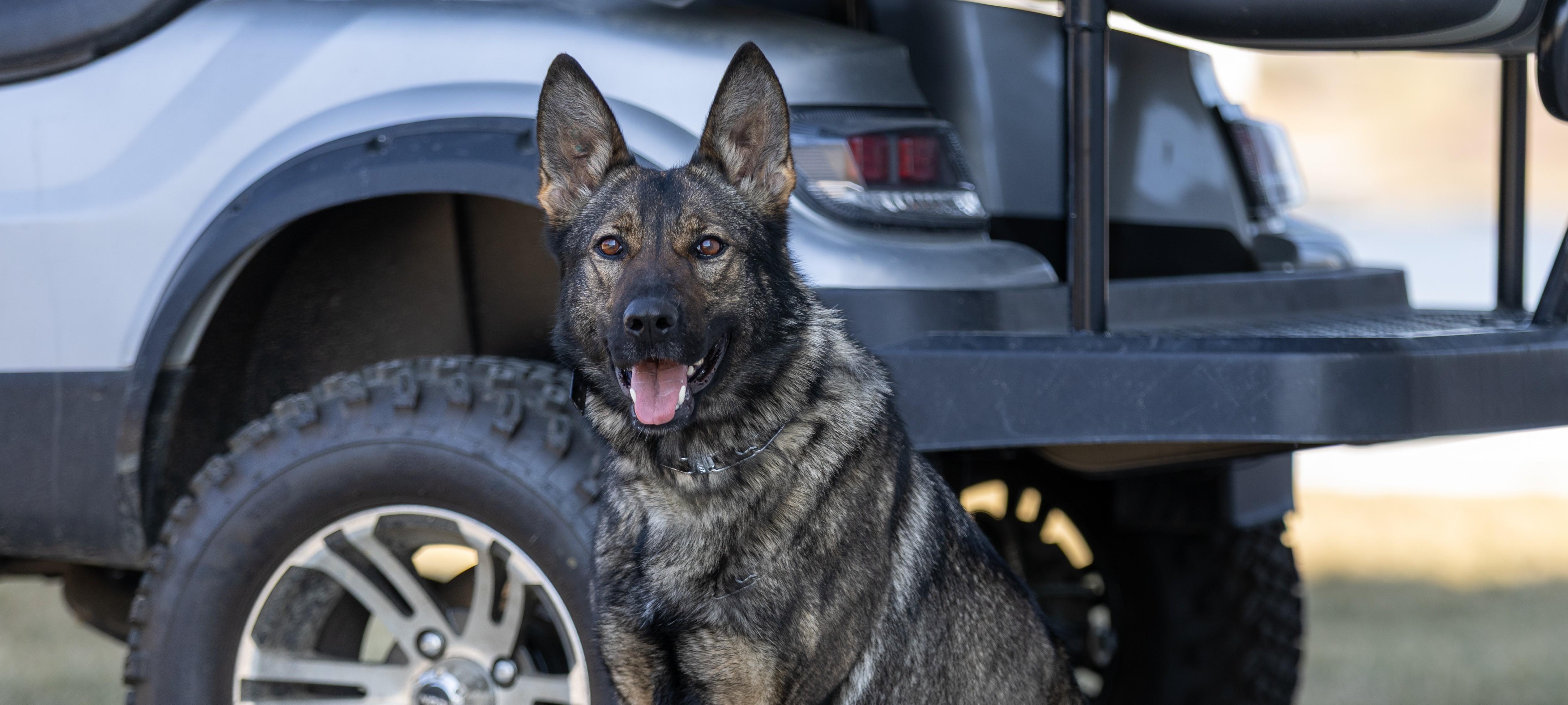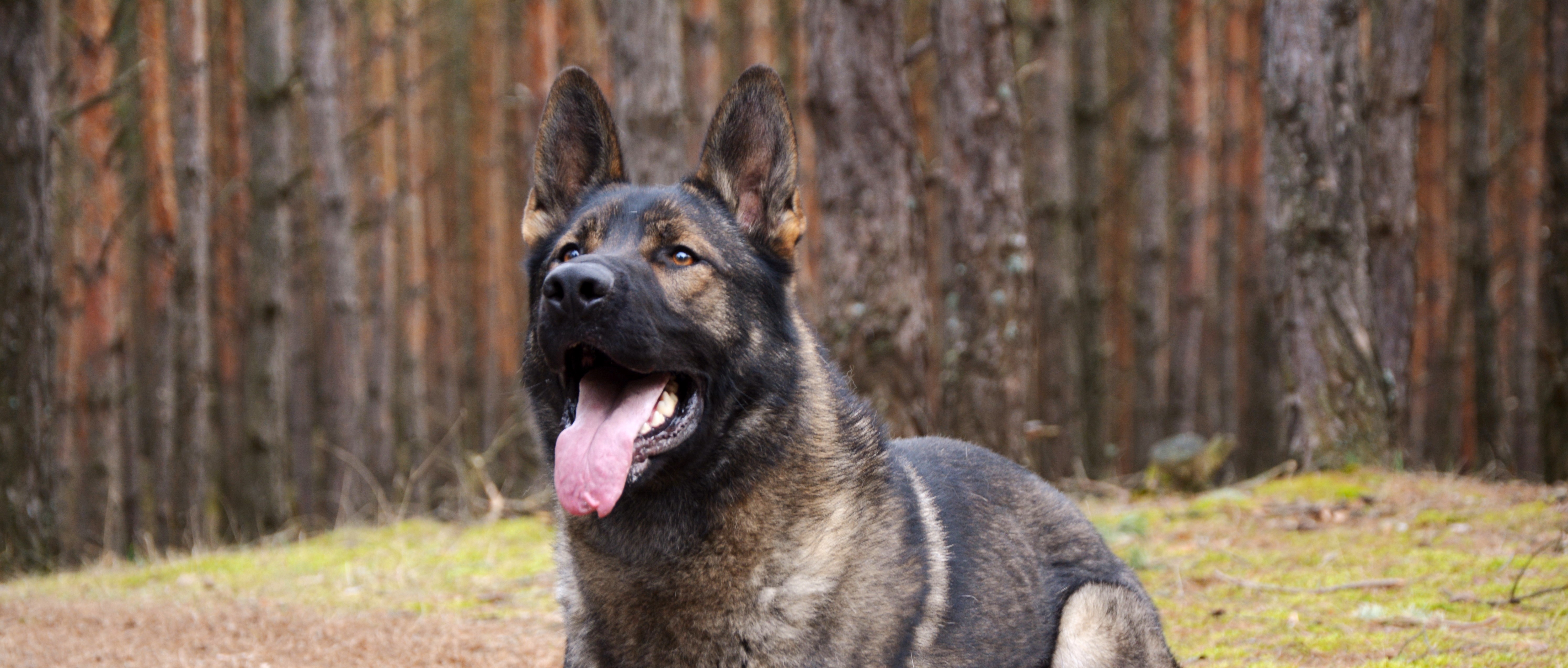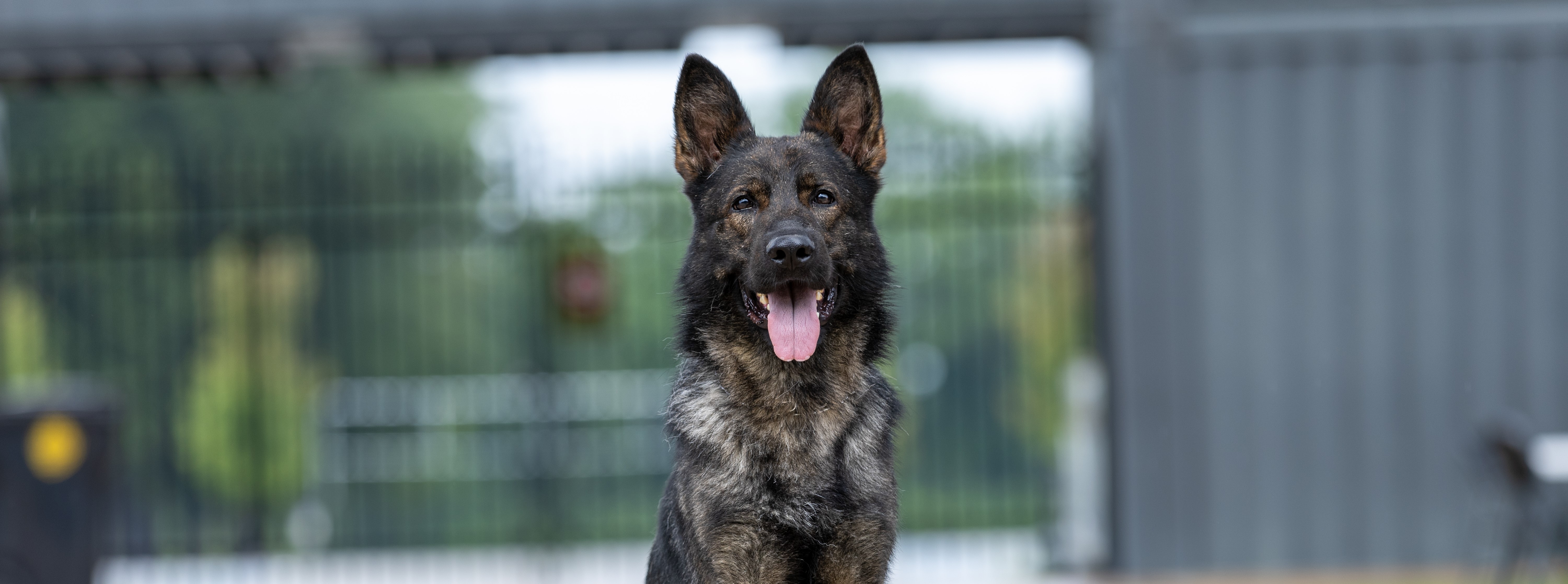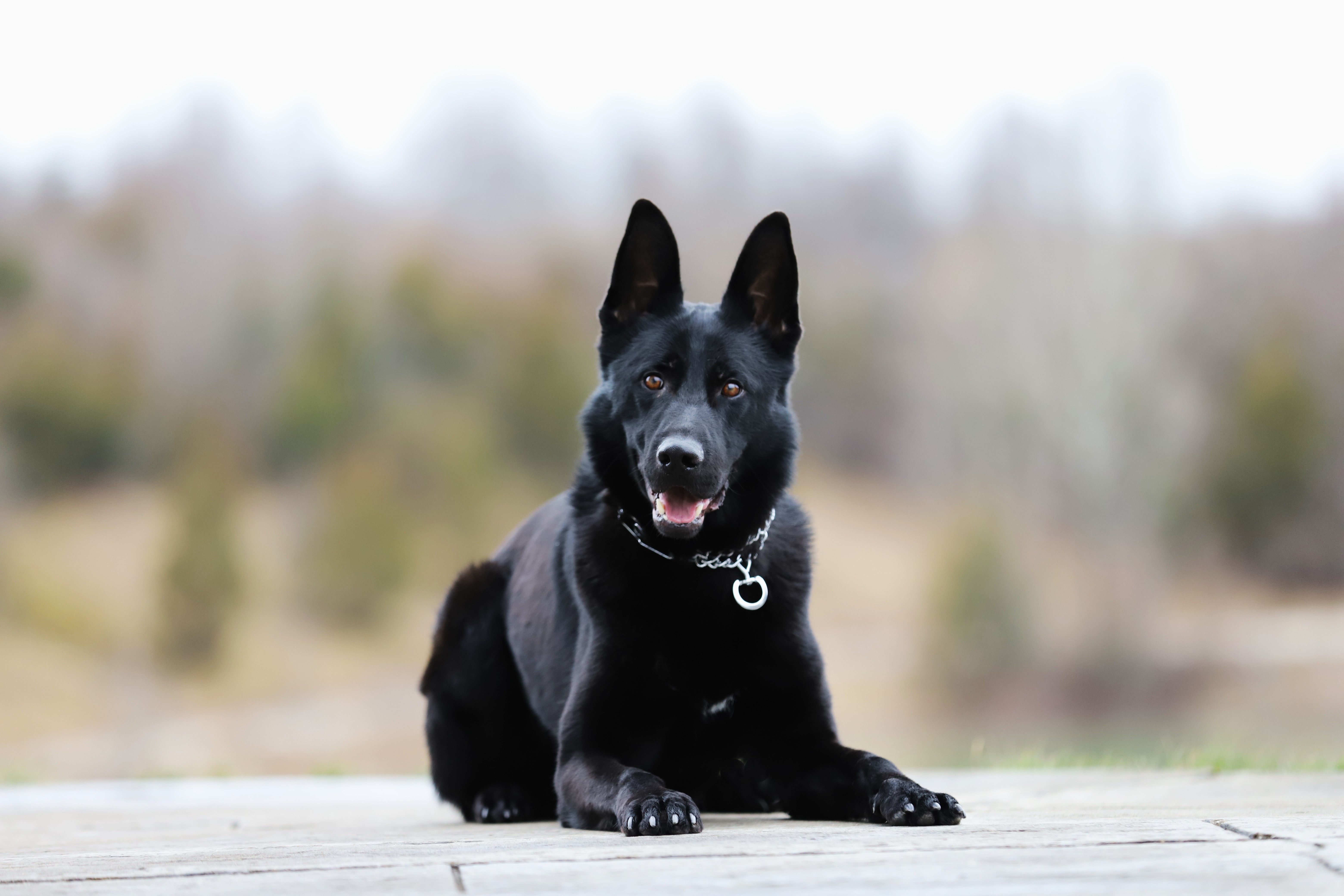

What Makes a Strong Protection Dog?
Not every large or alert dog is suited for personal protection. A reliable protection dog meets a higher standard.
A strong family protection dog demonstrates:
- Controlled response: Reacts to a genuine threat, not every stimulus
- Stability under pressure: Remains composed in unfamiliar or stressful environments
- Clear judgment: Distinguishes between normal activity and true concern
- Disciplined training: Obedience forms the foundation of all protection work
- Family-integrated protection: Calm at home, capable when required
This is the difference between a reactive dog and a professionally trained family protection dog. Capability is about control and being capable when it counts.
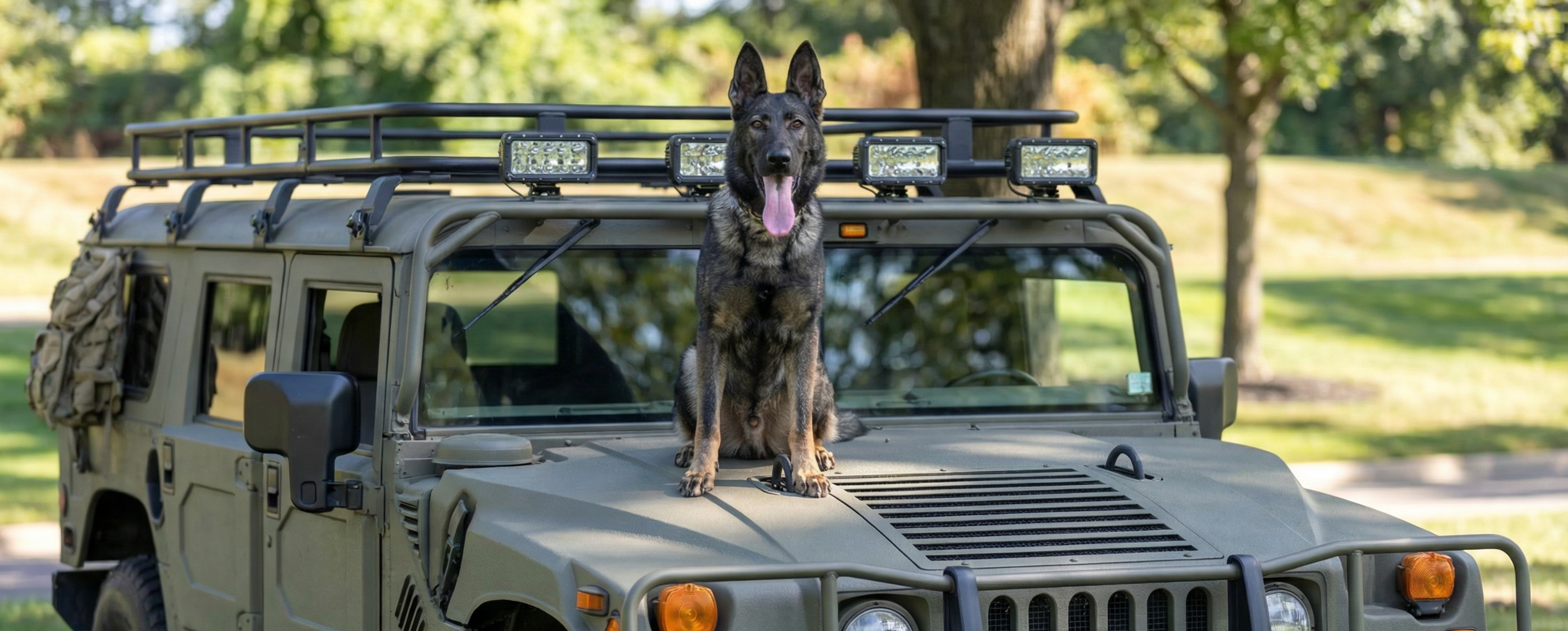
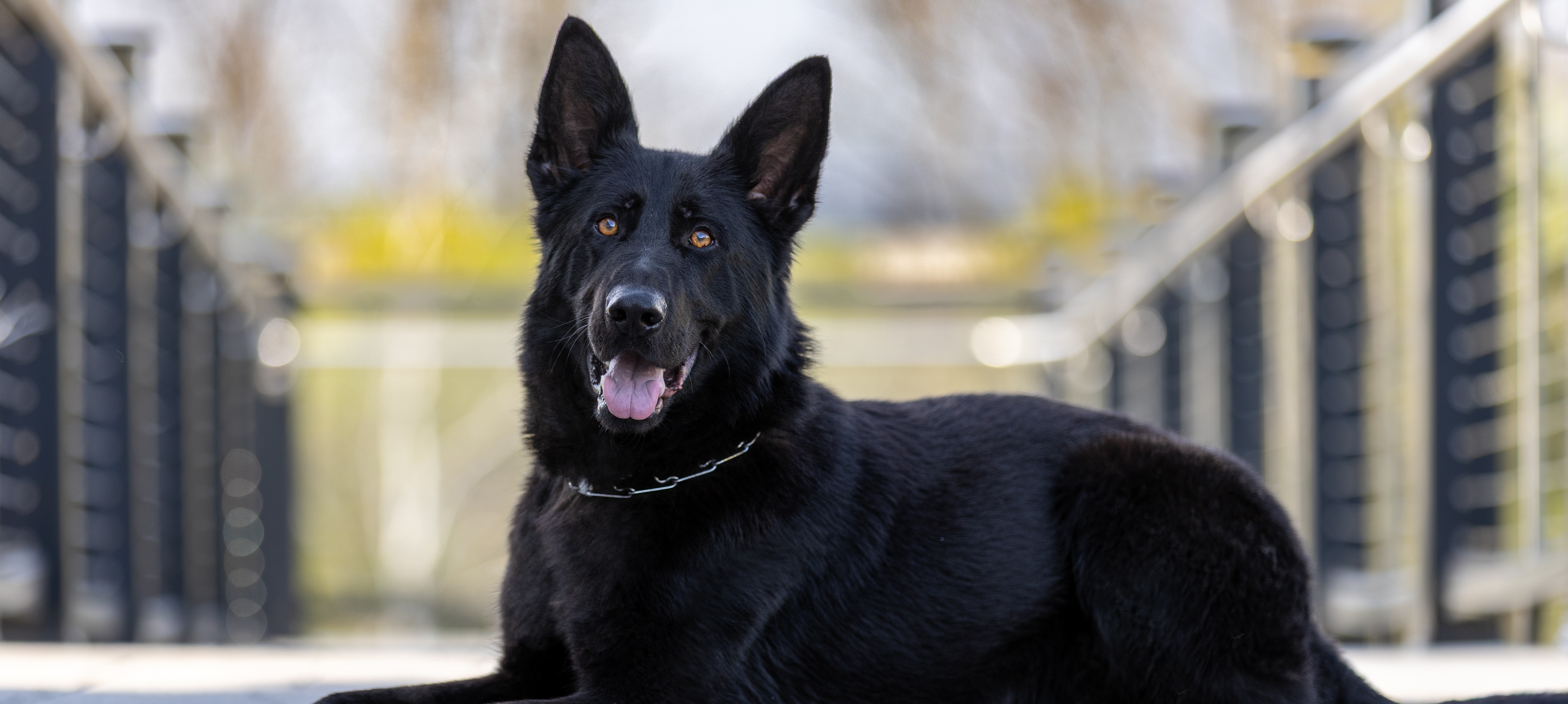
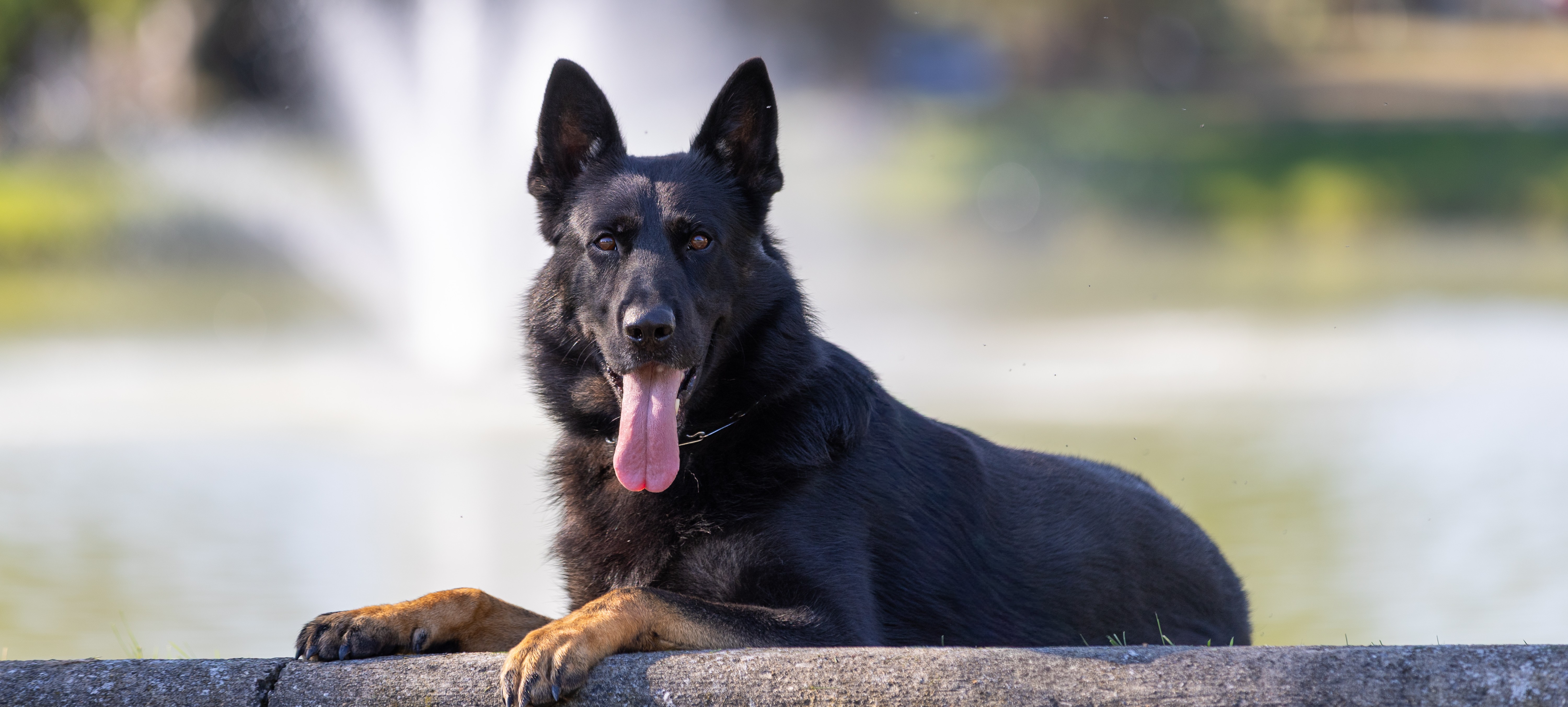
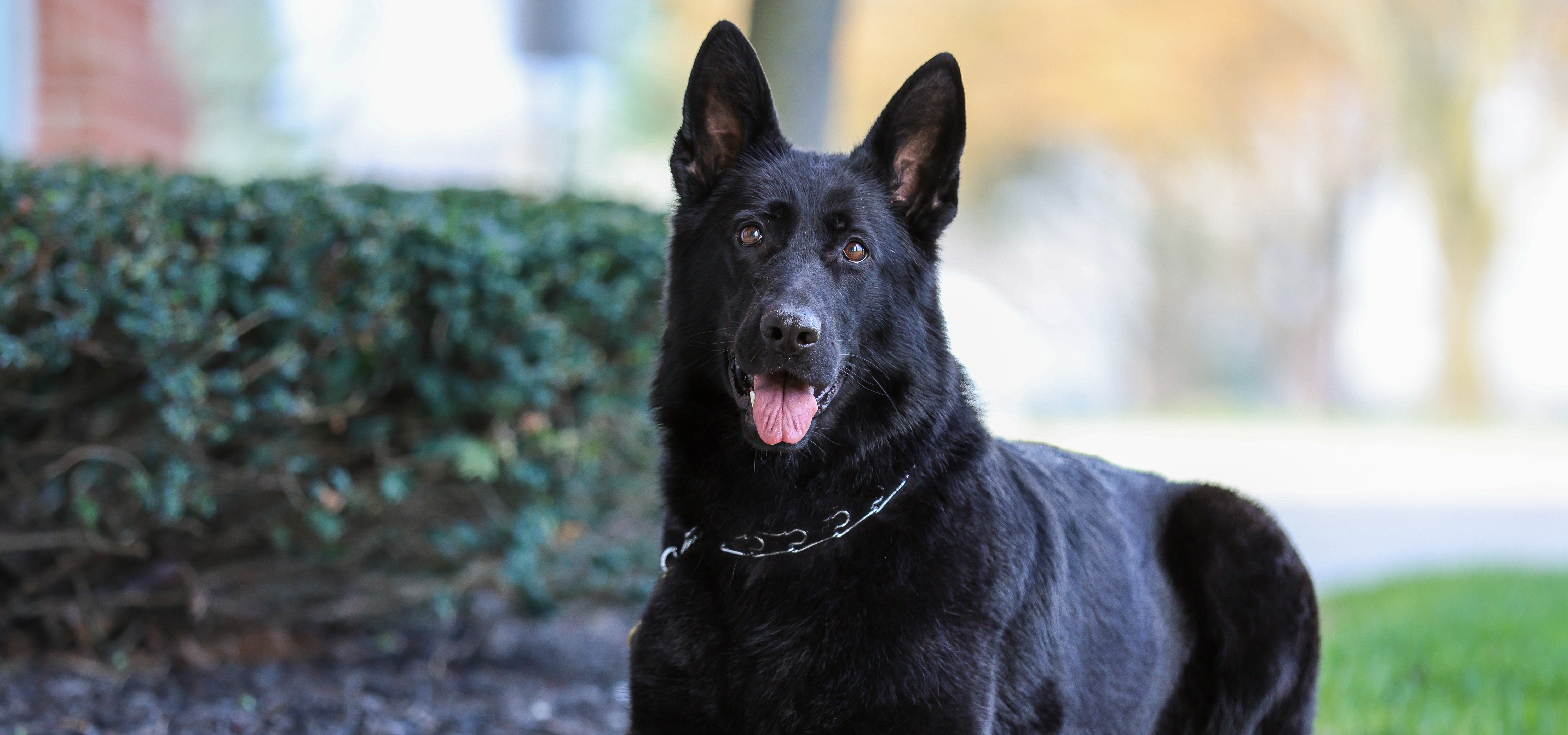
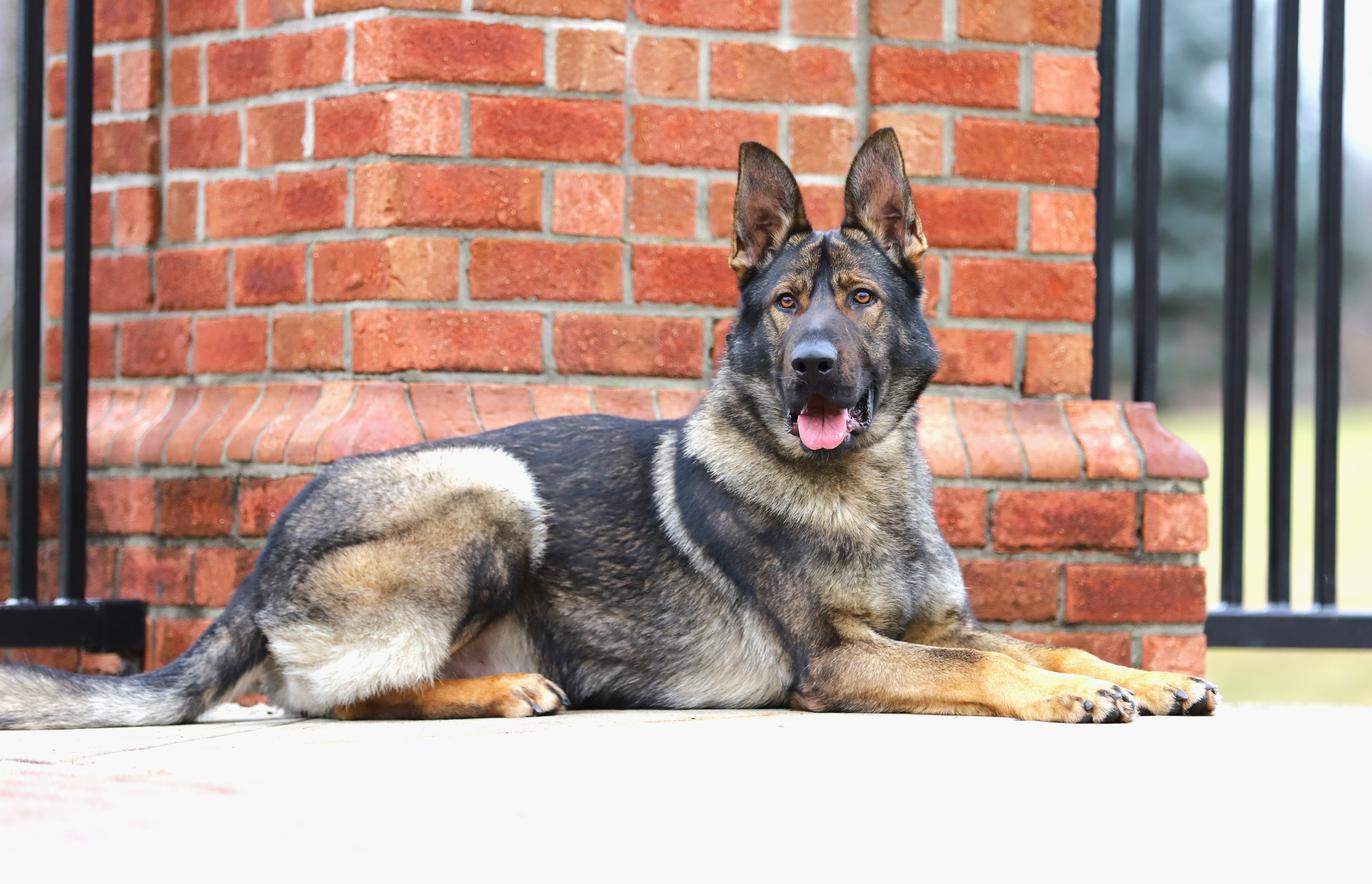
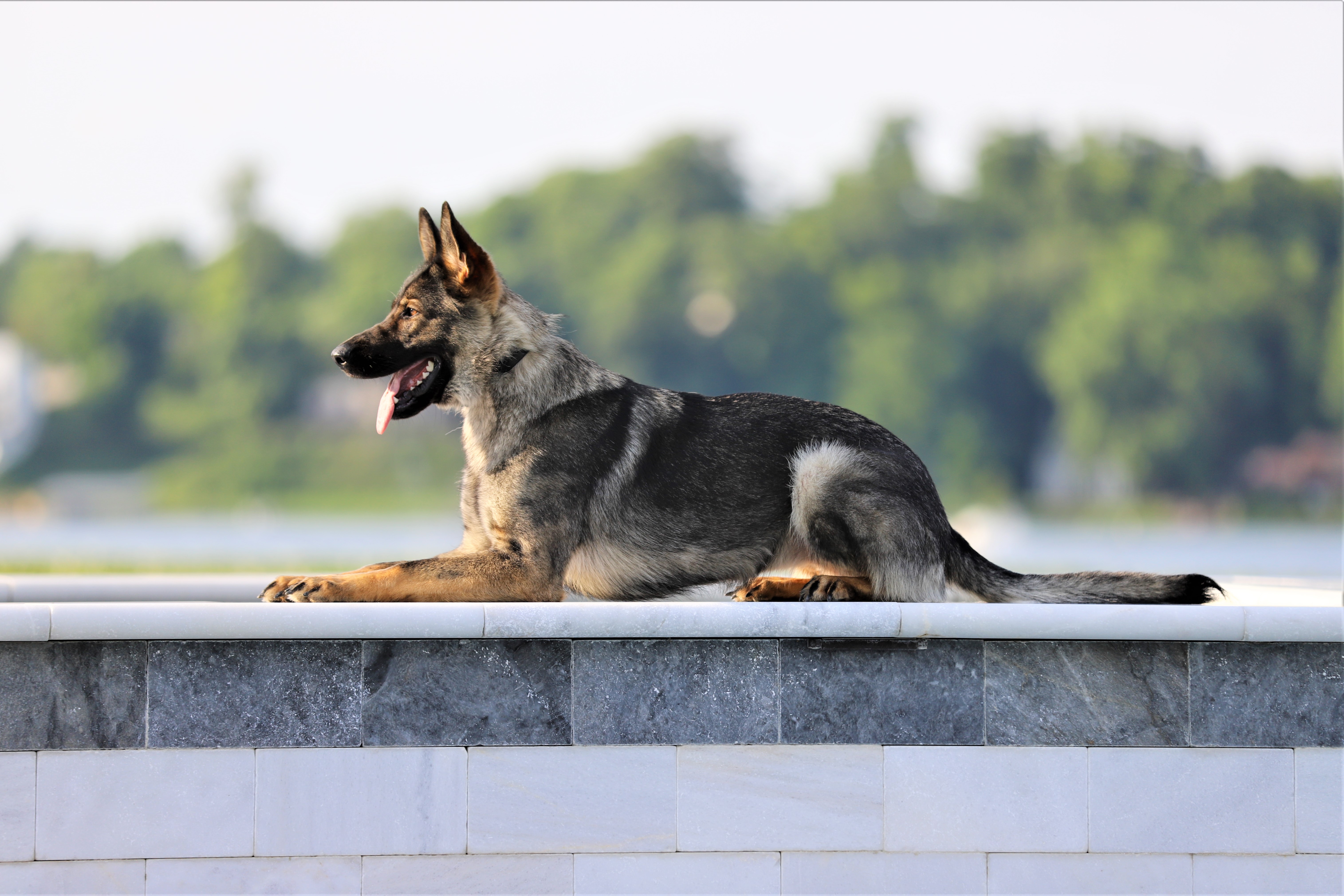
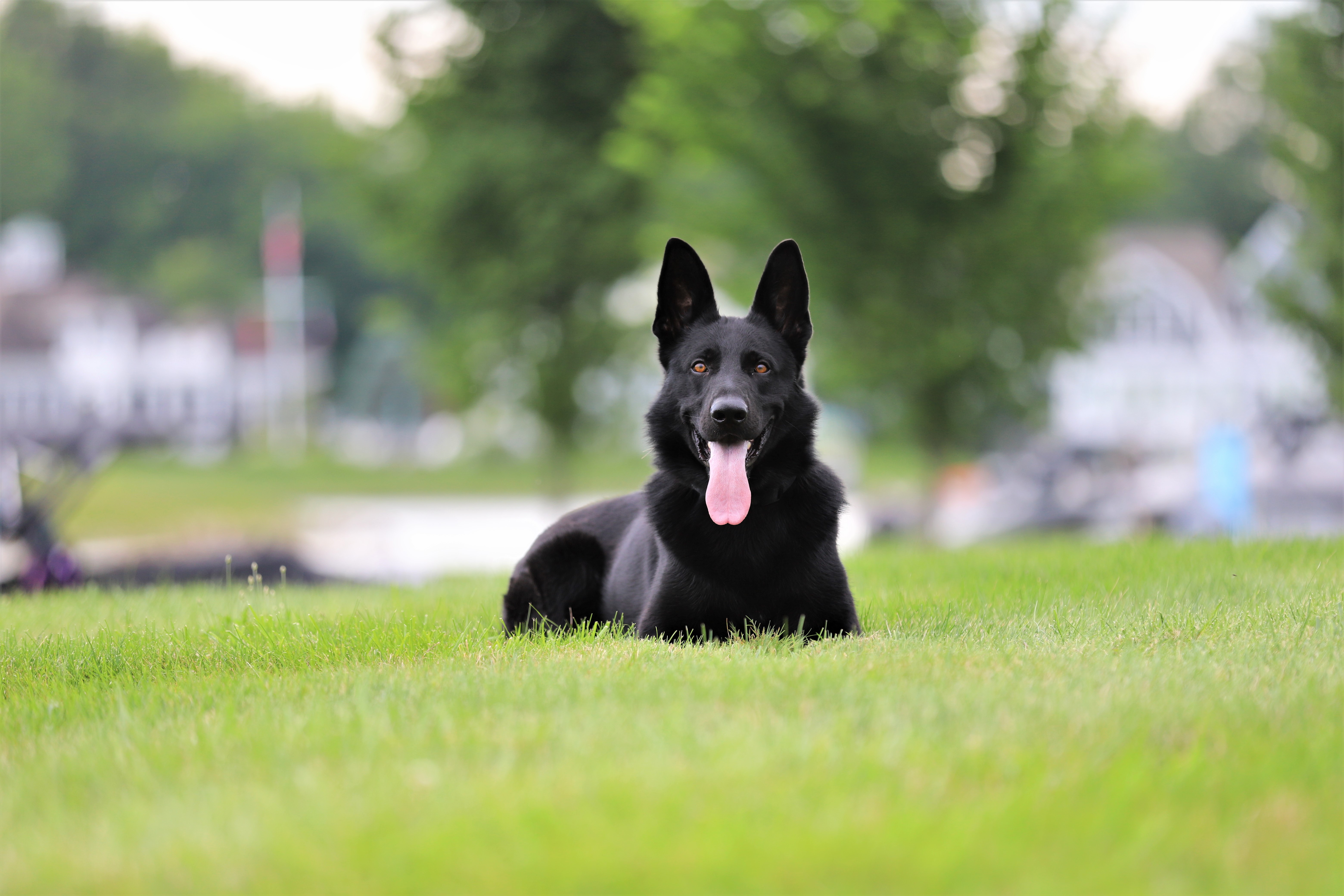
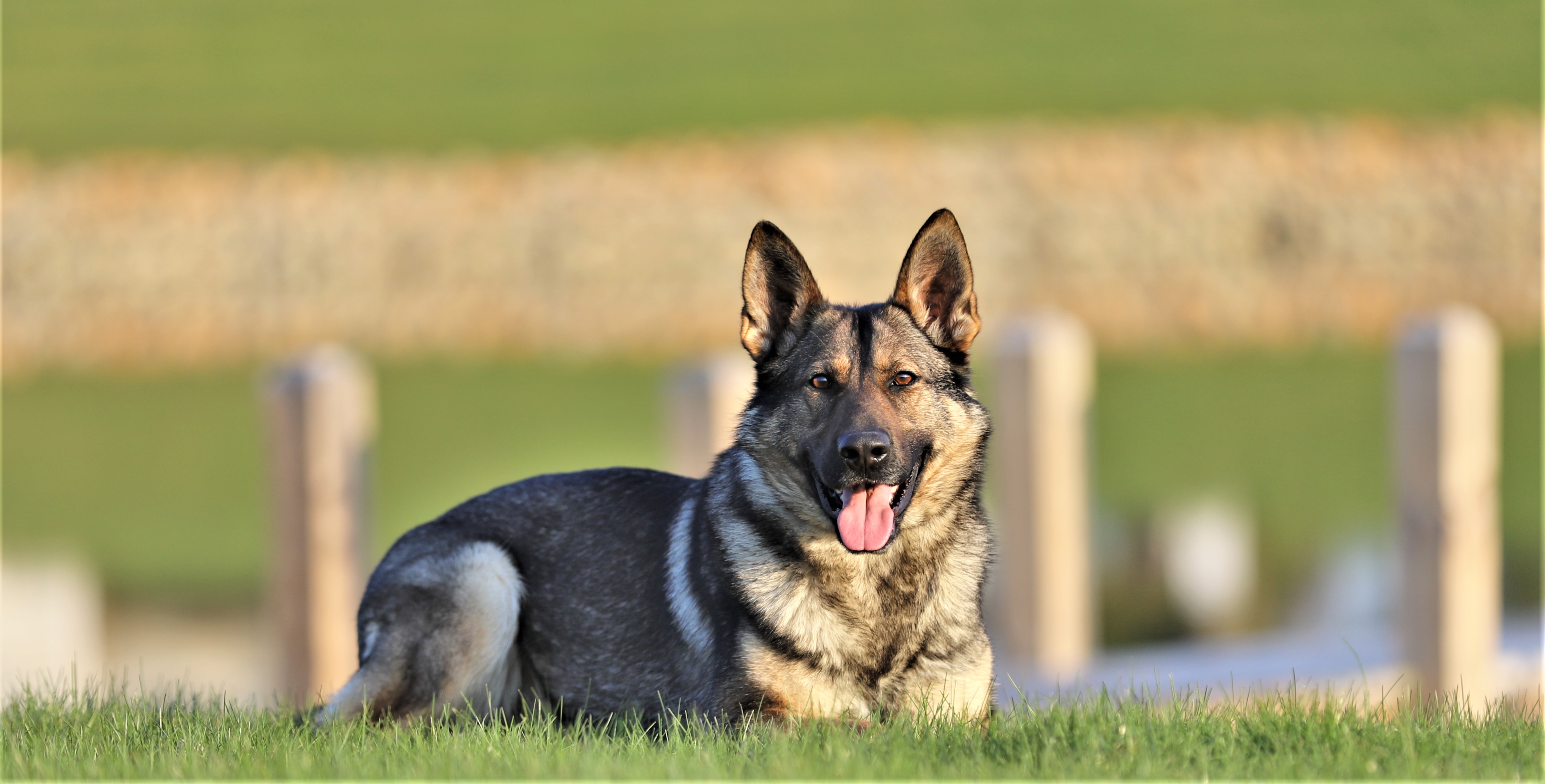
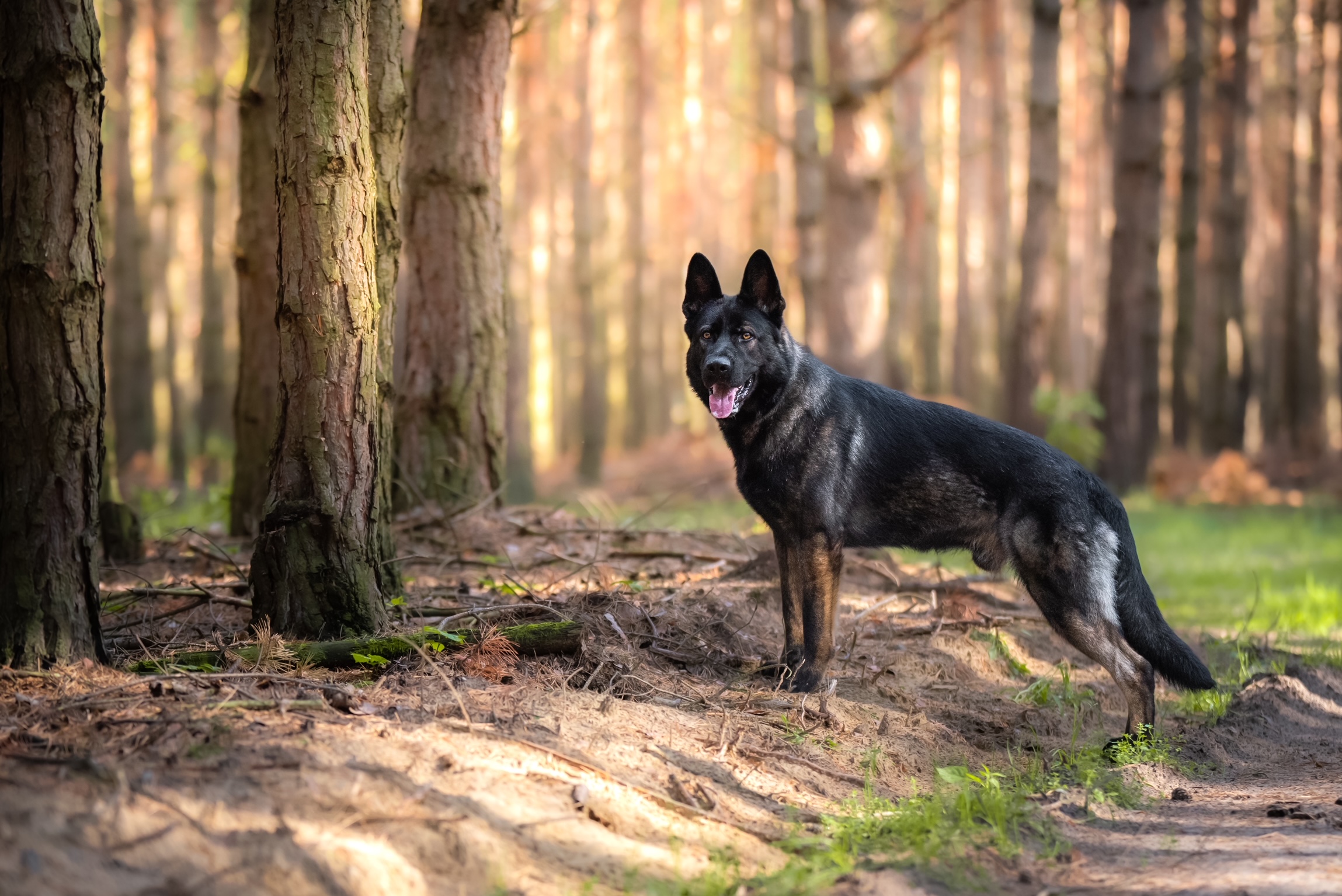
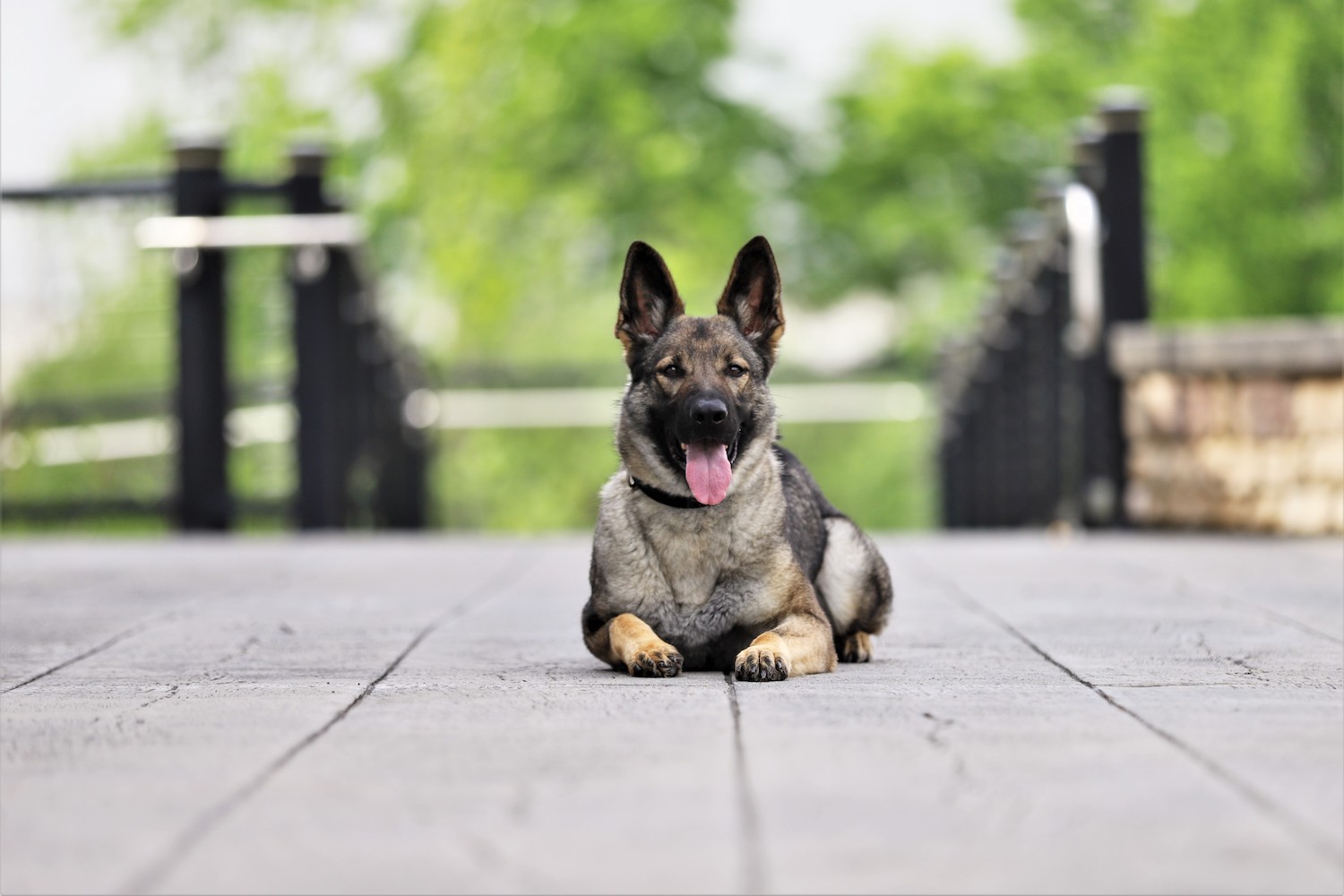
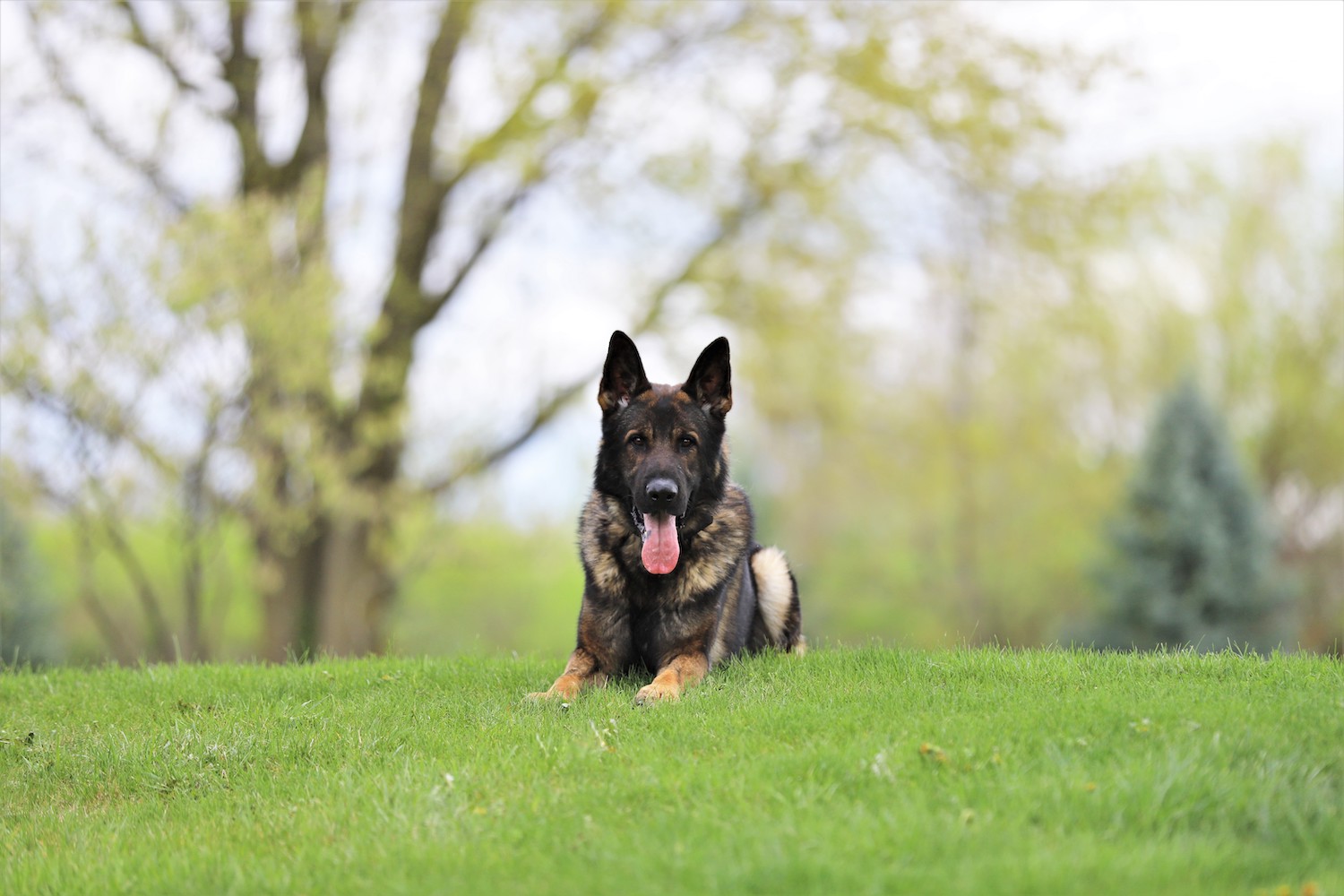
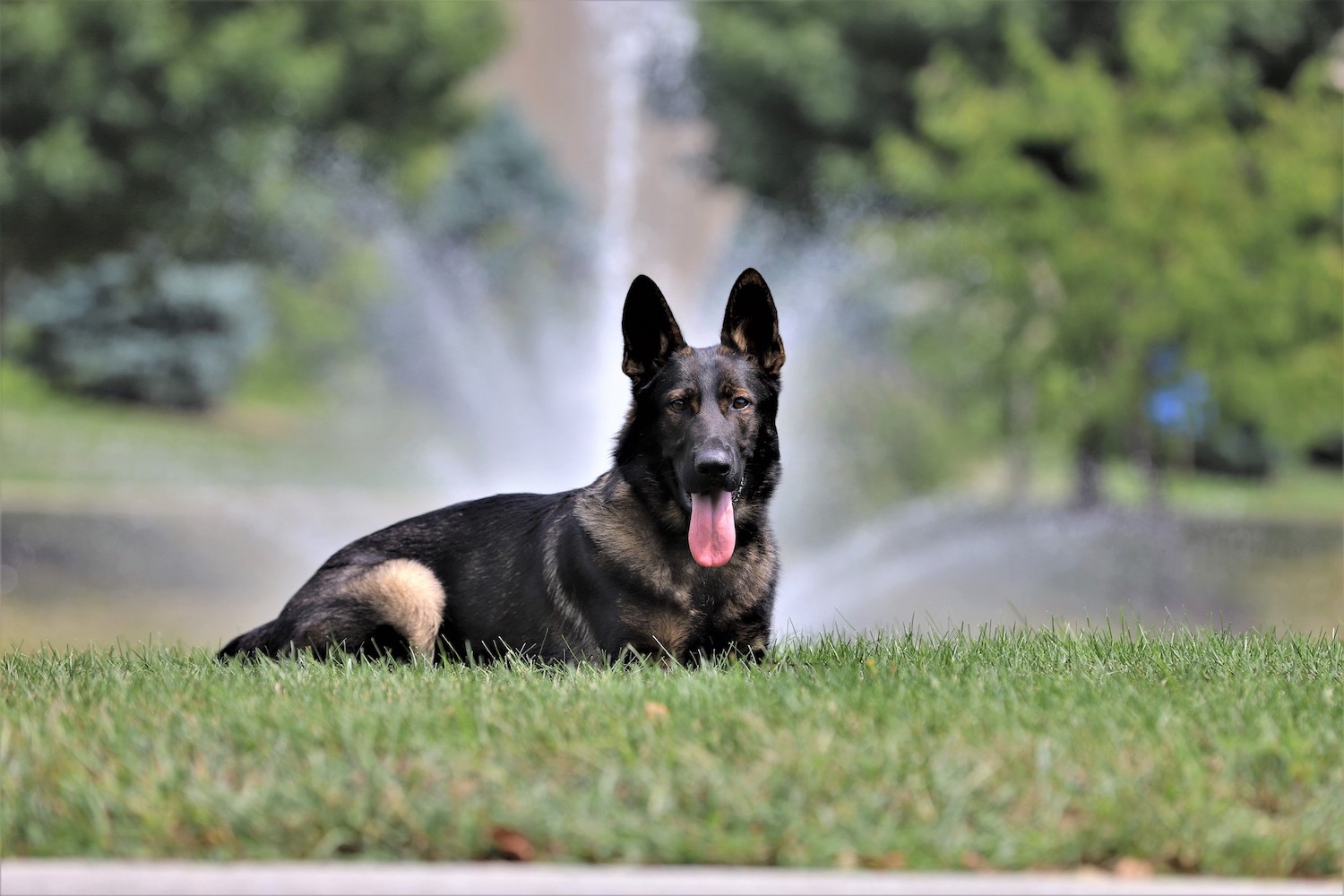
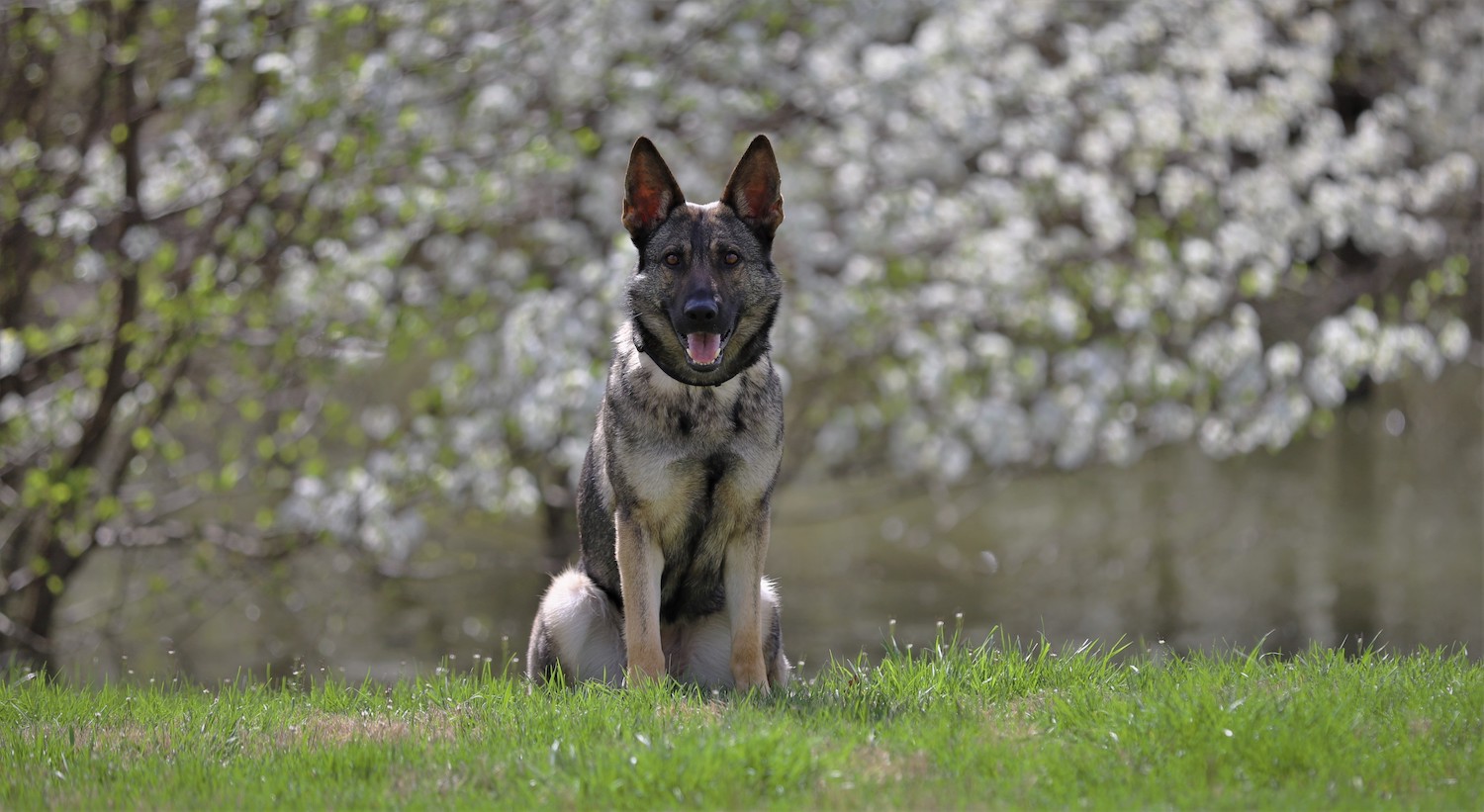
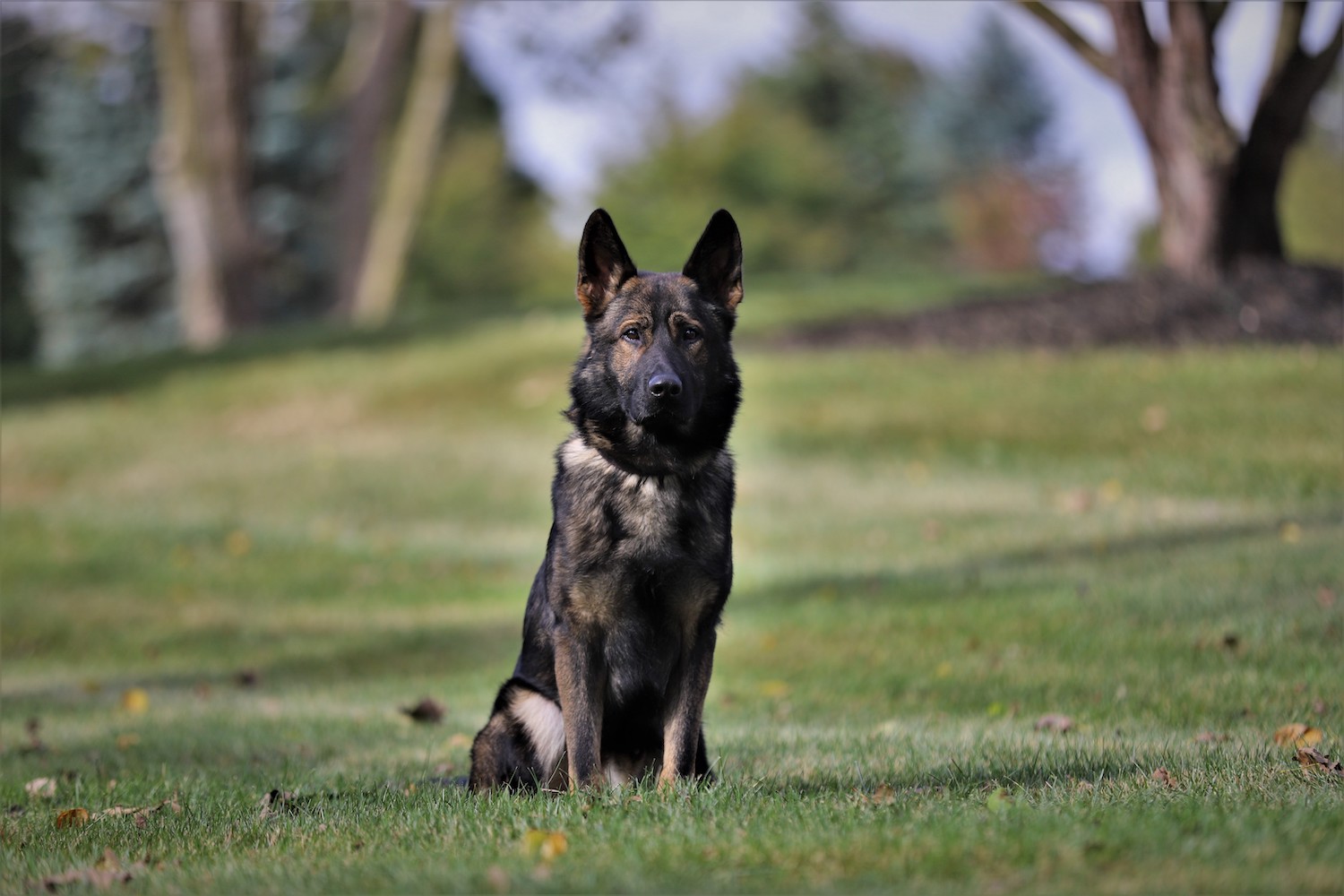
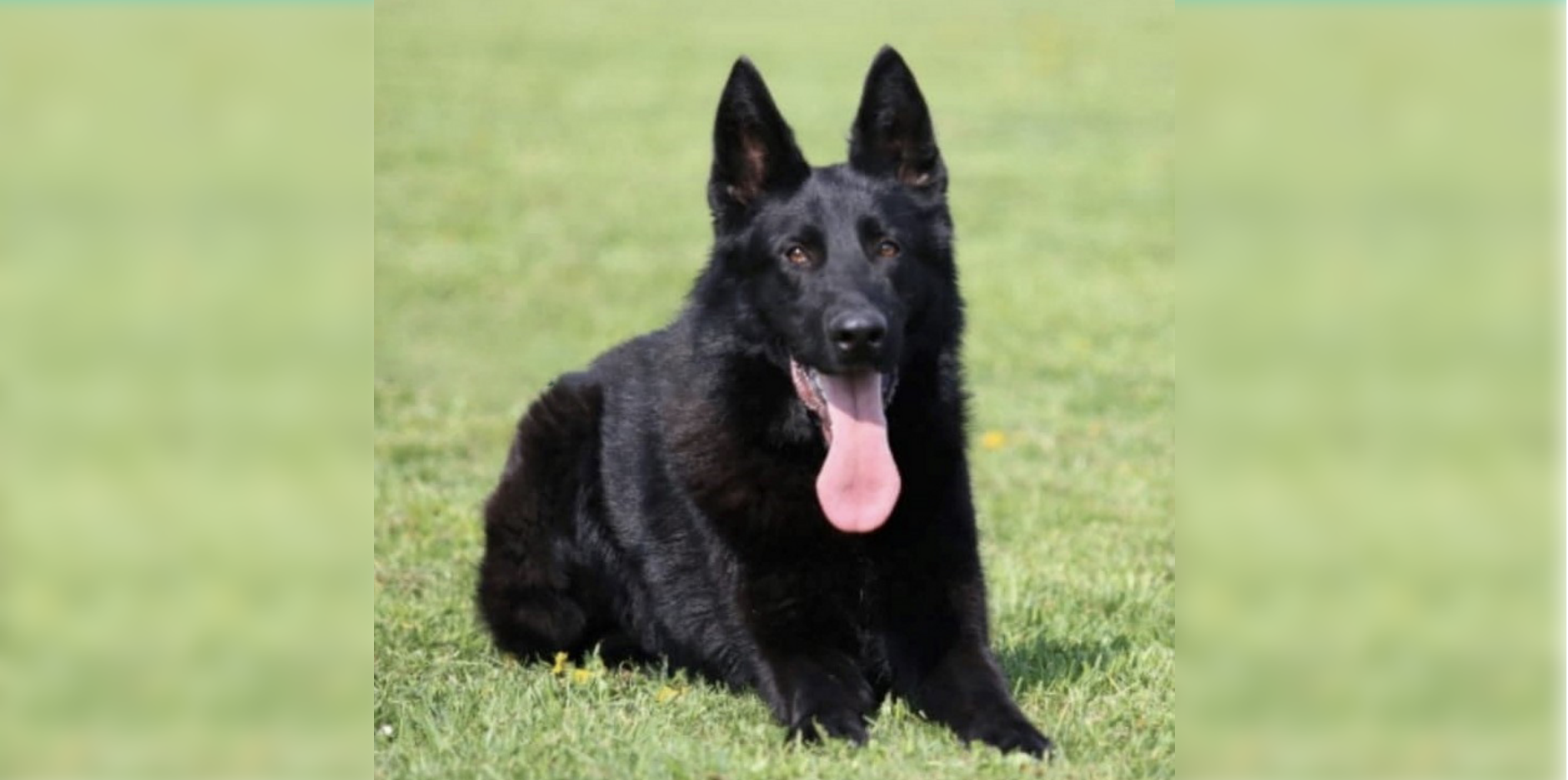
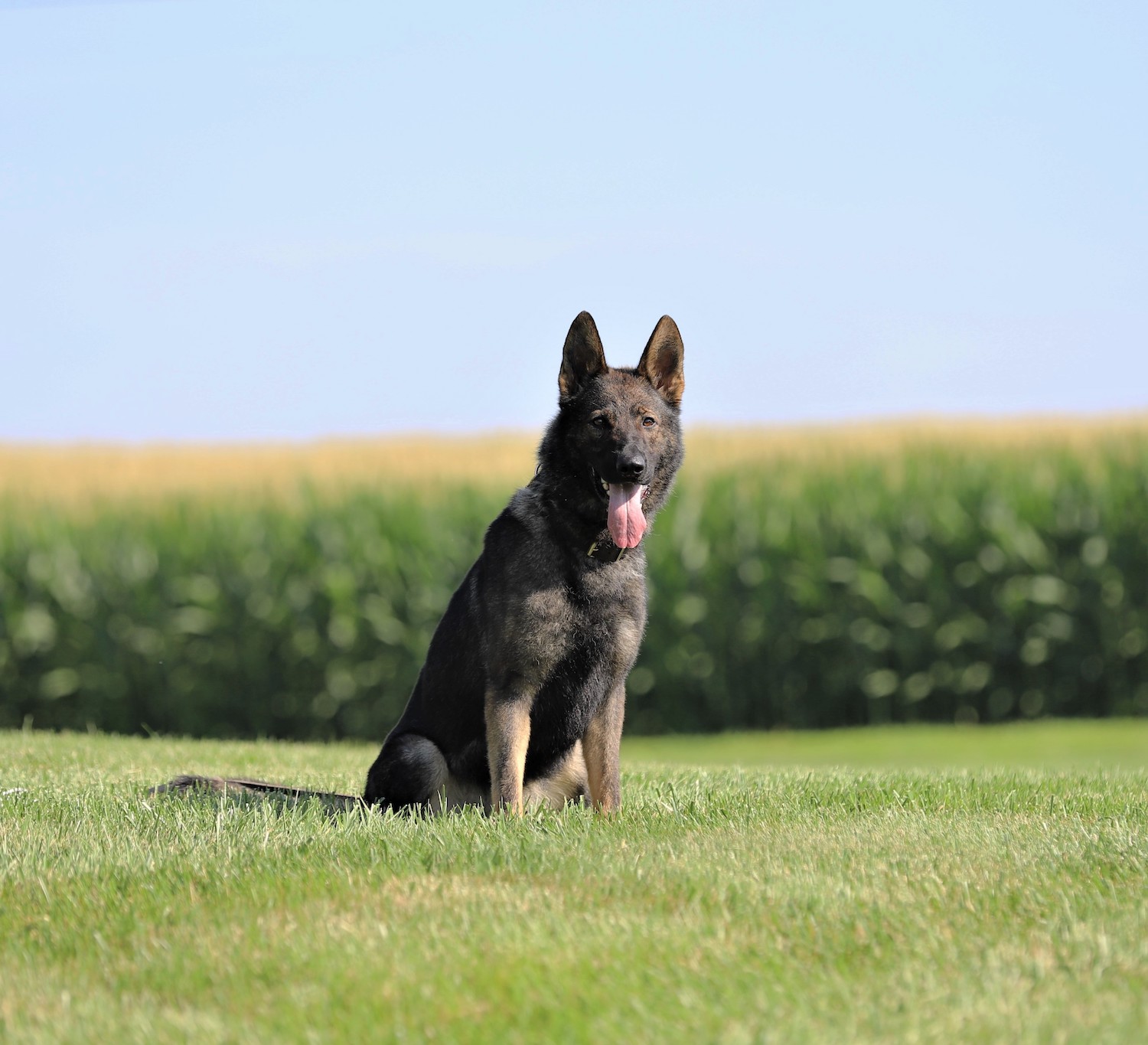
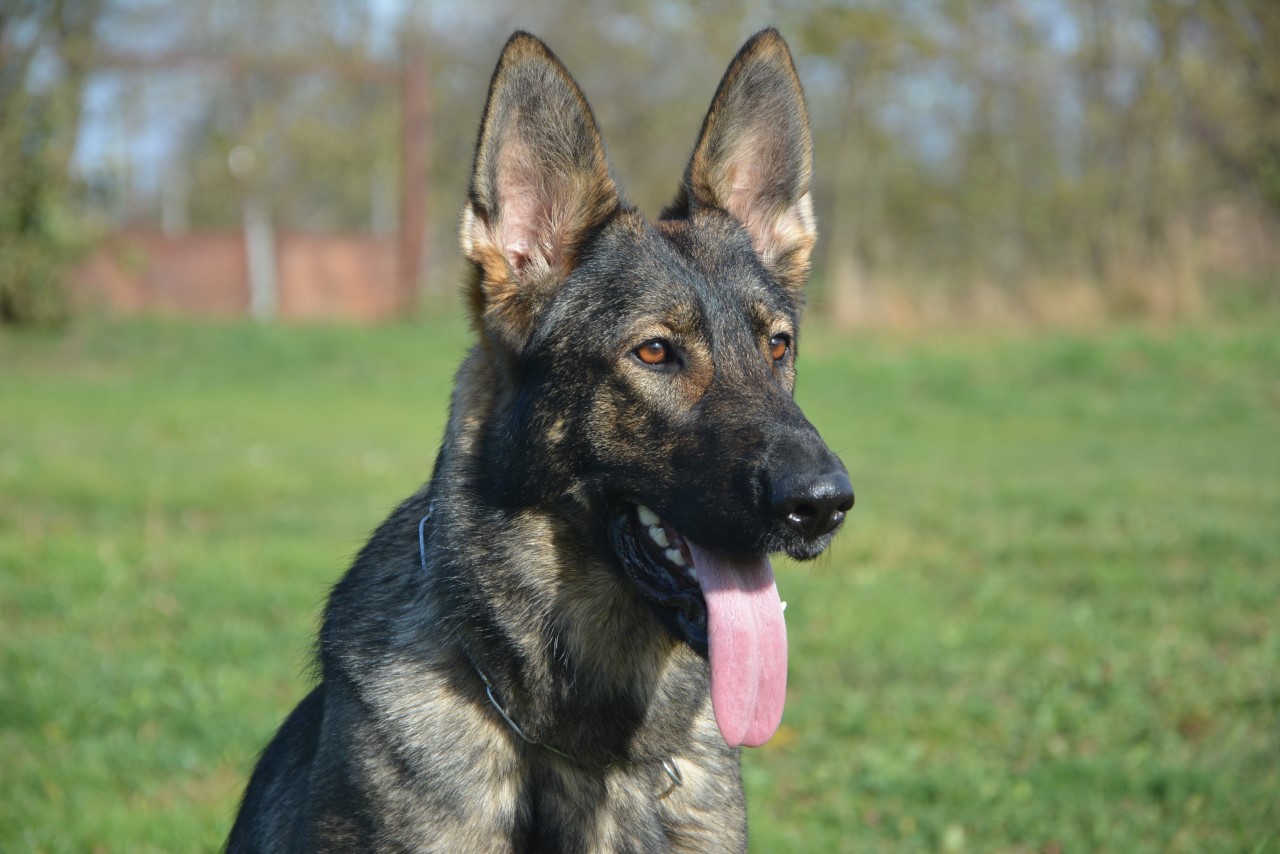
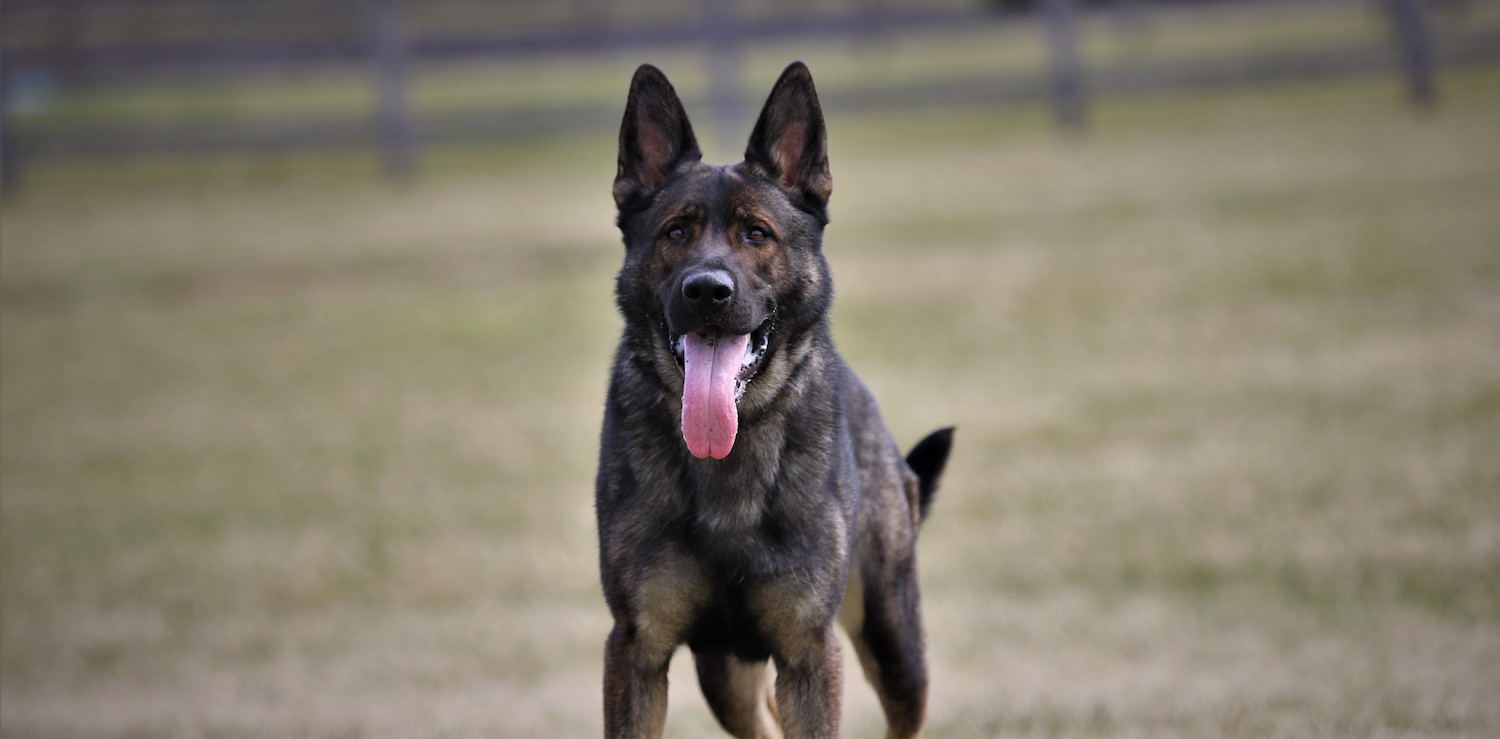
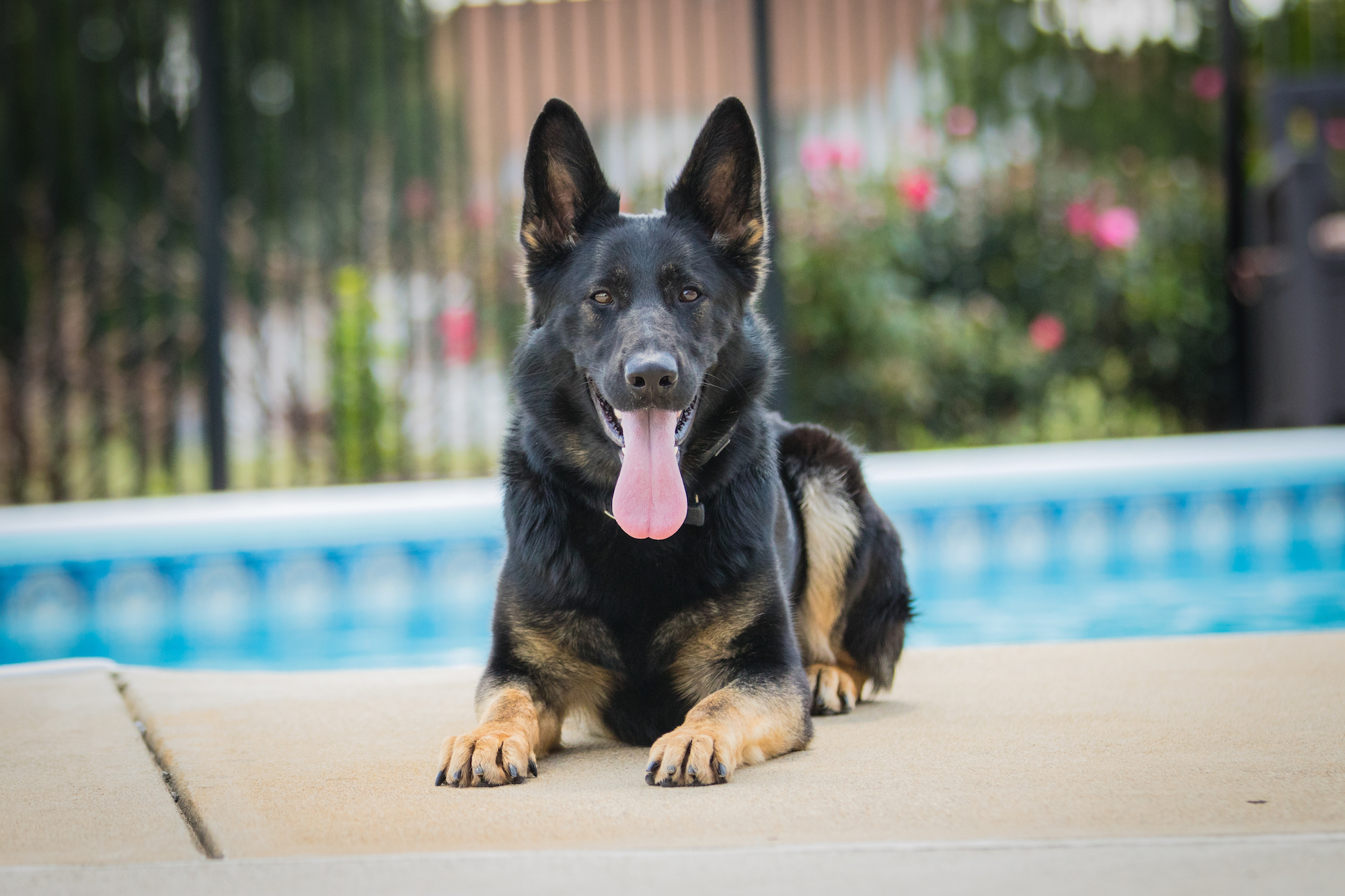
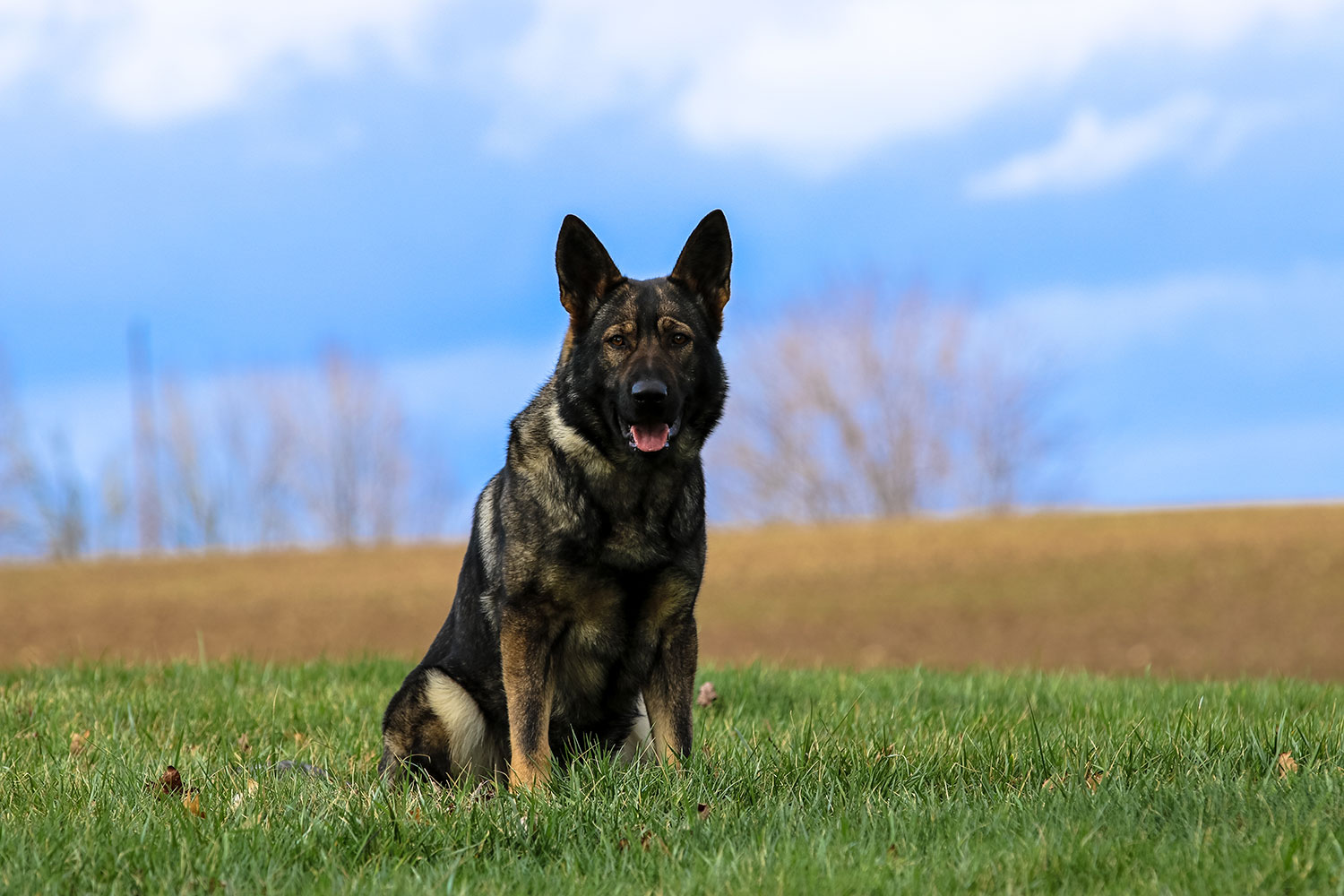
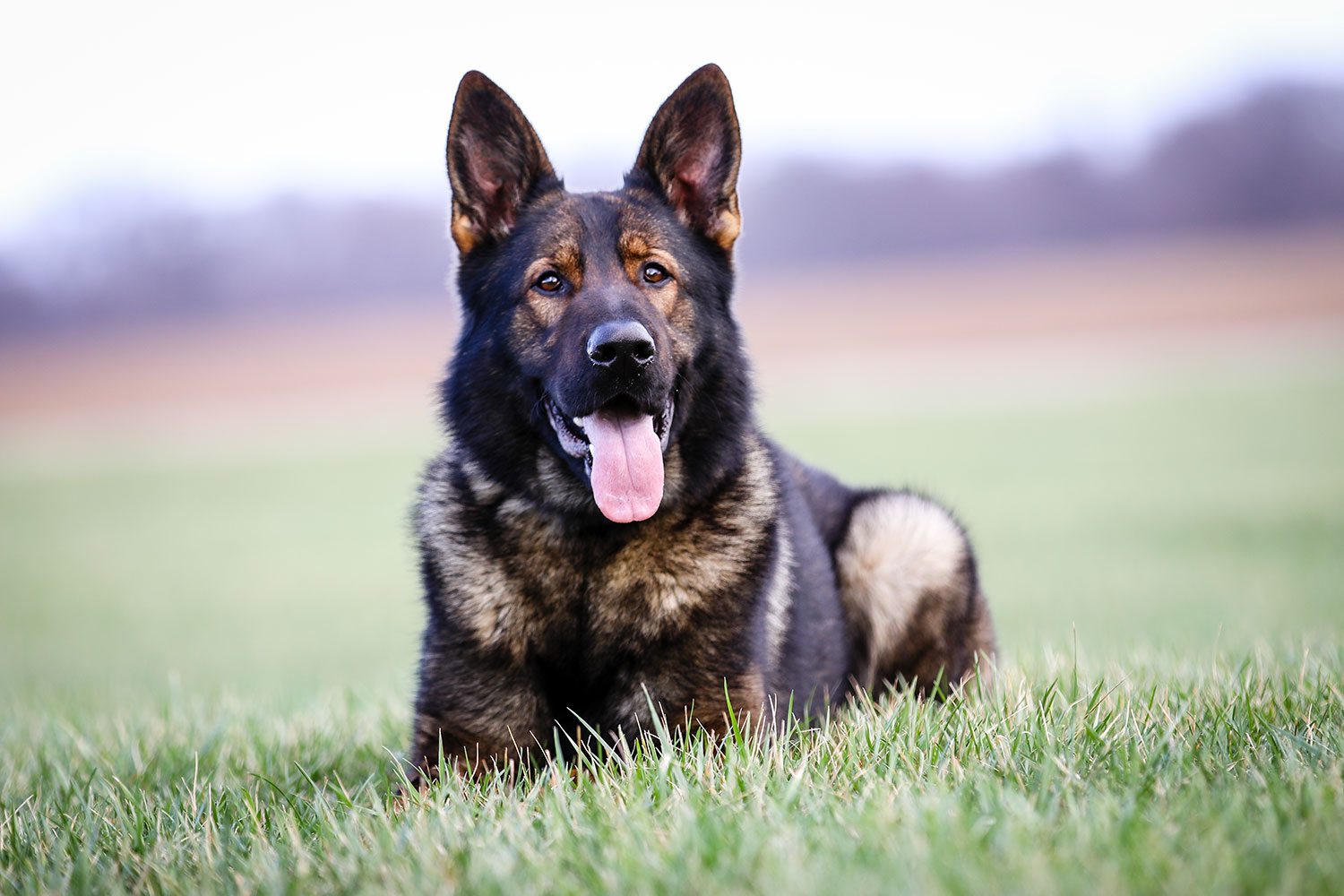
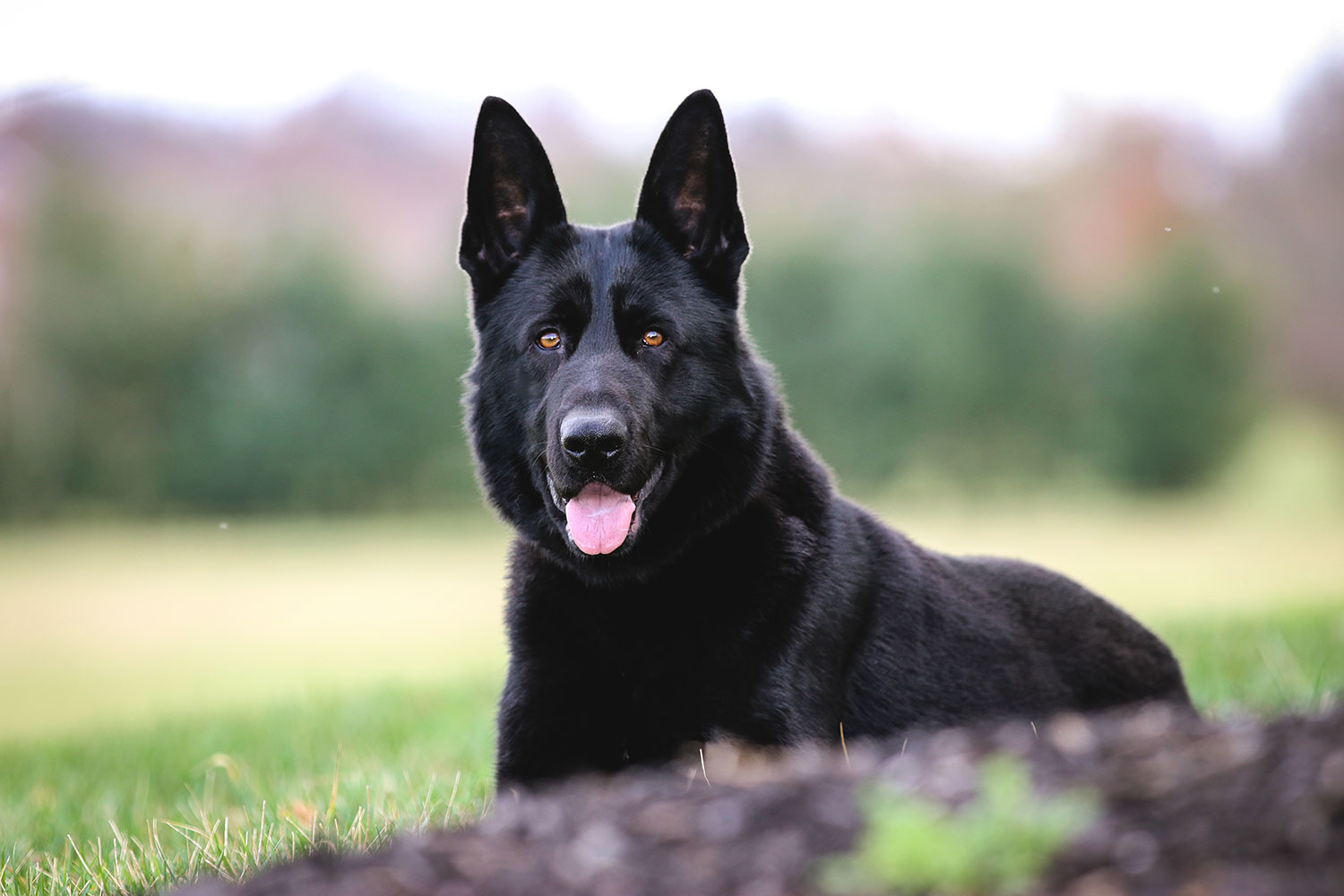
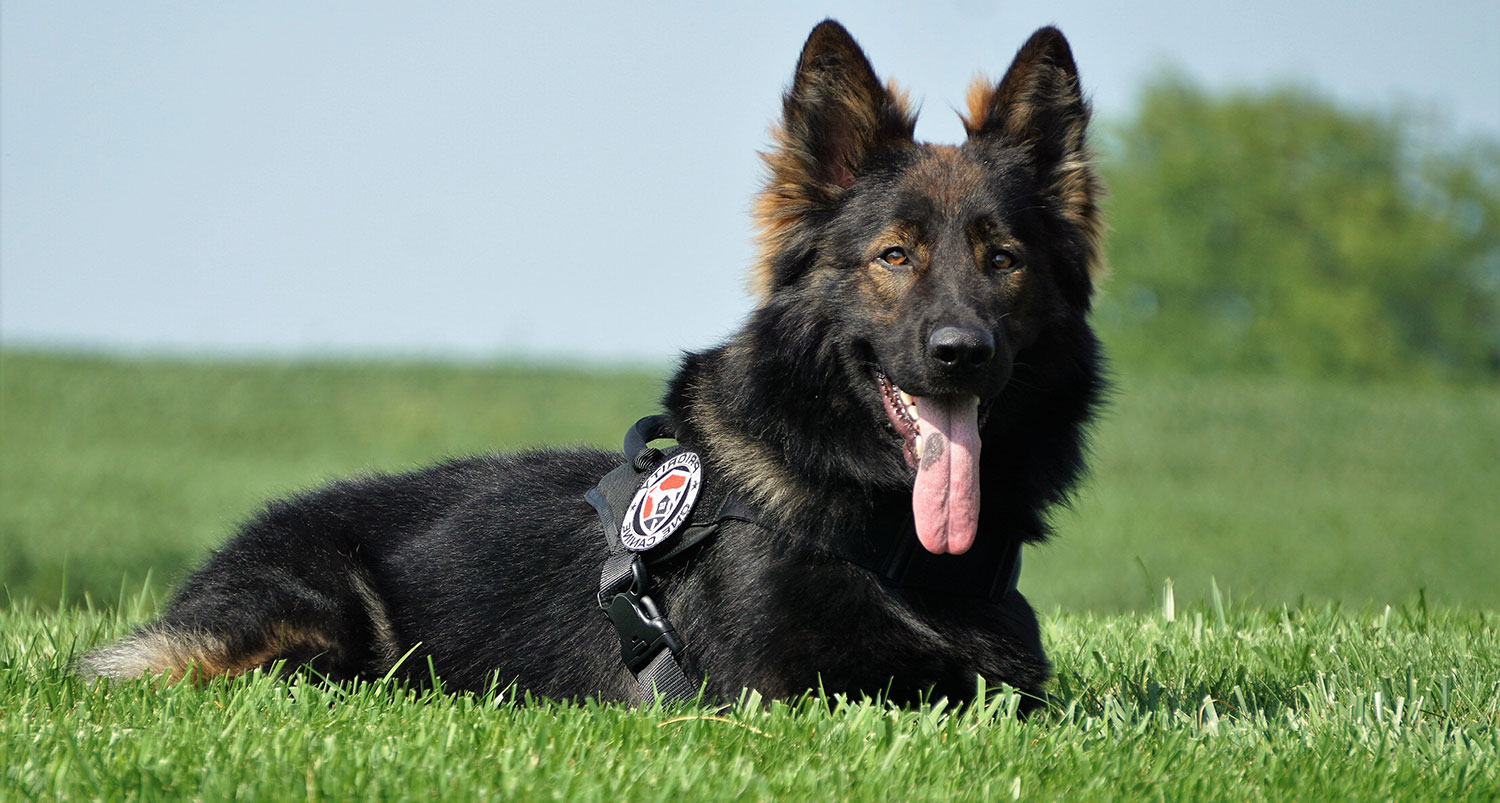
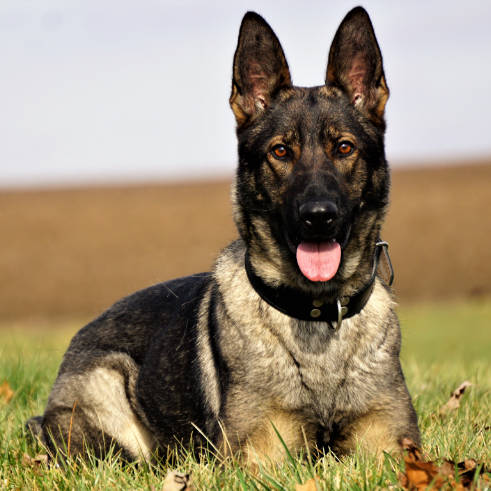
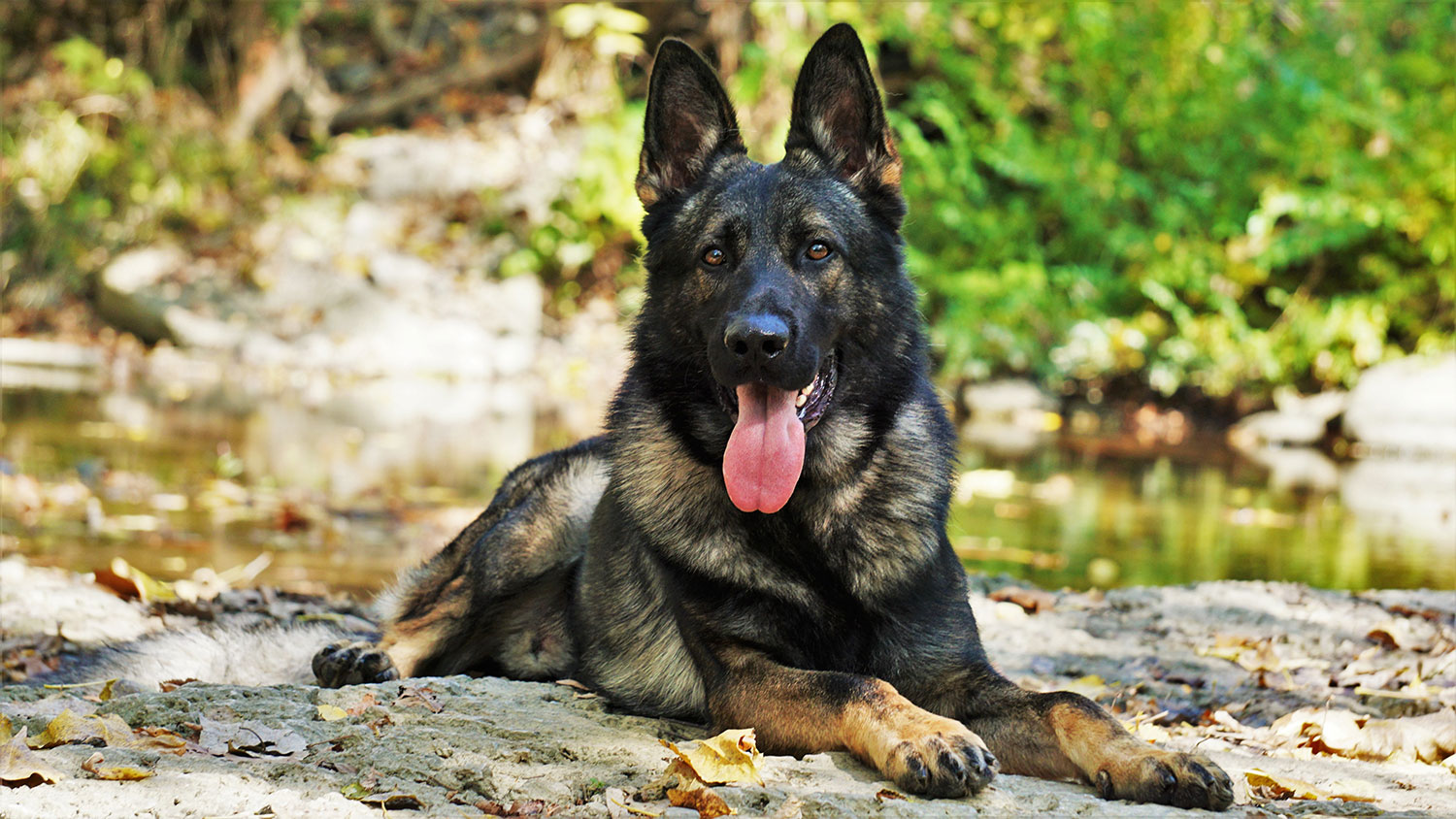
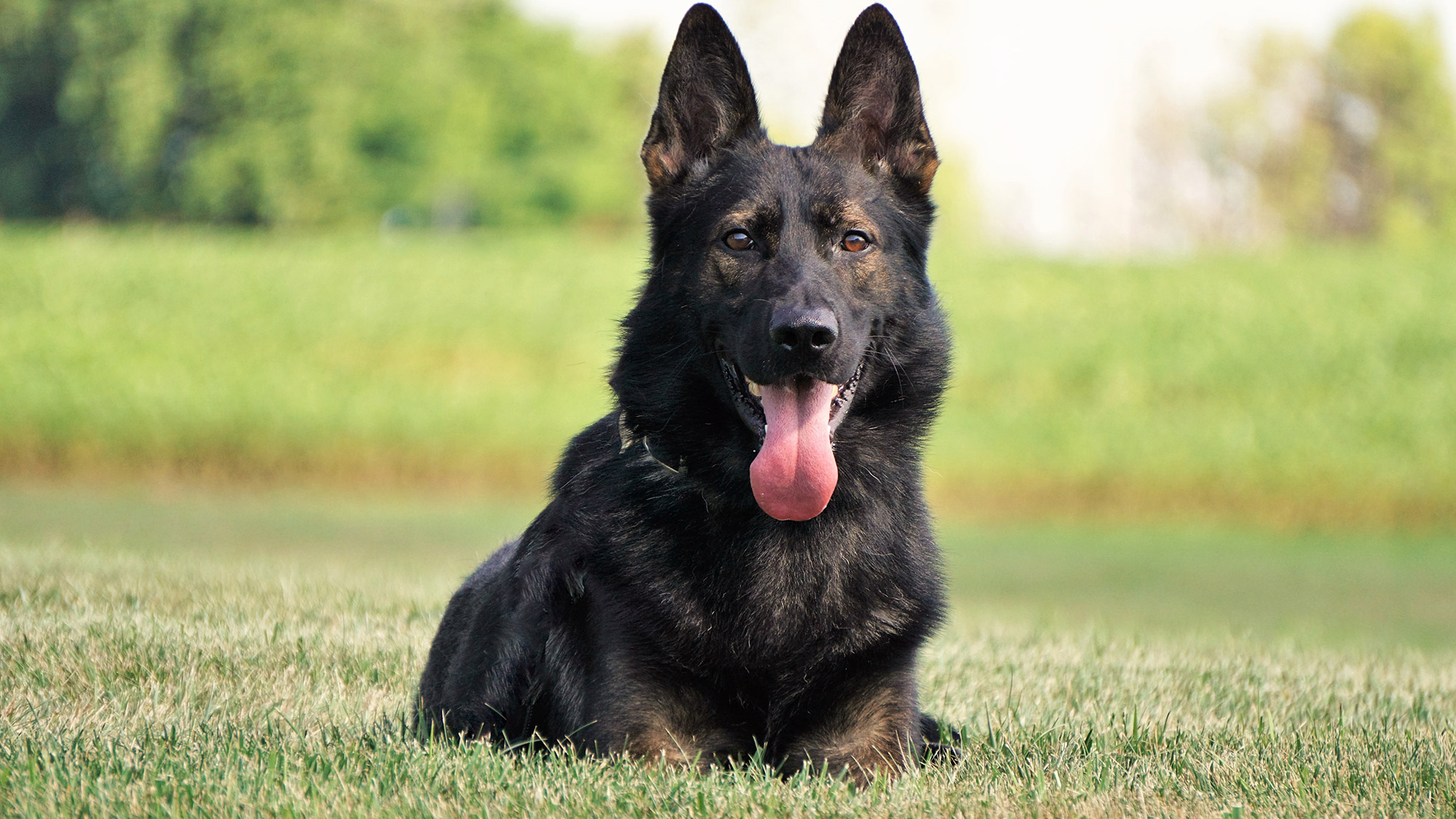
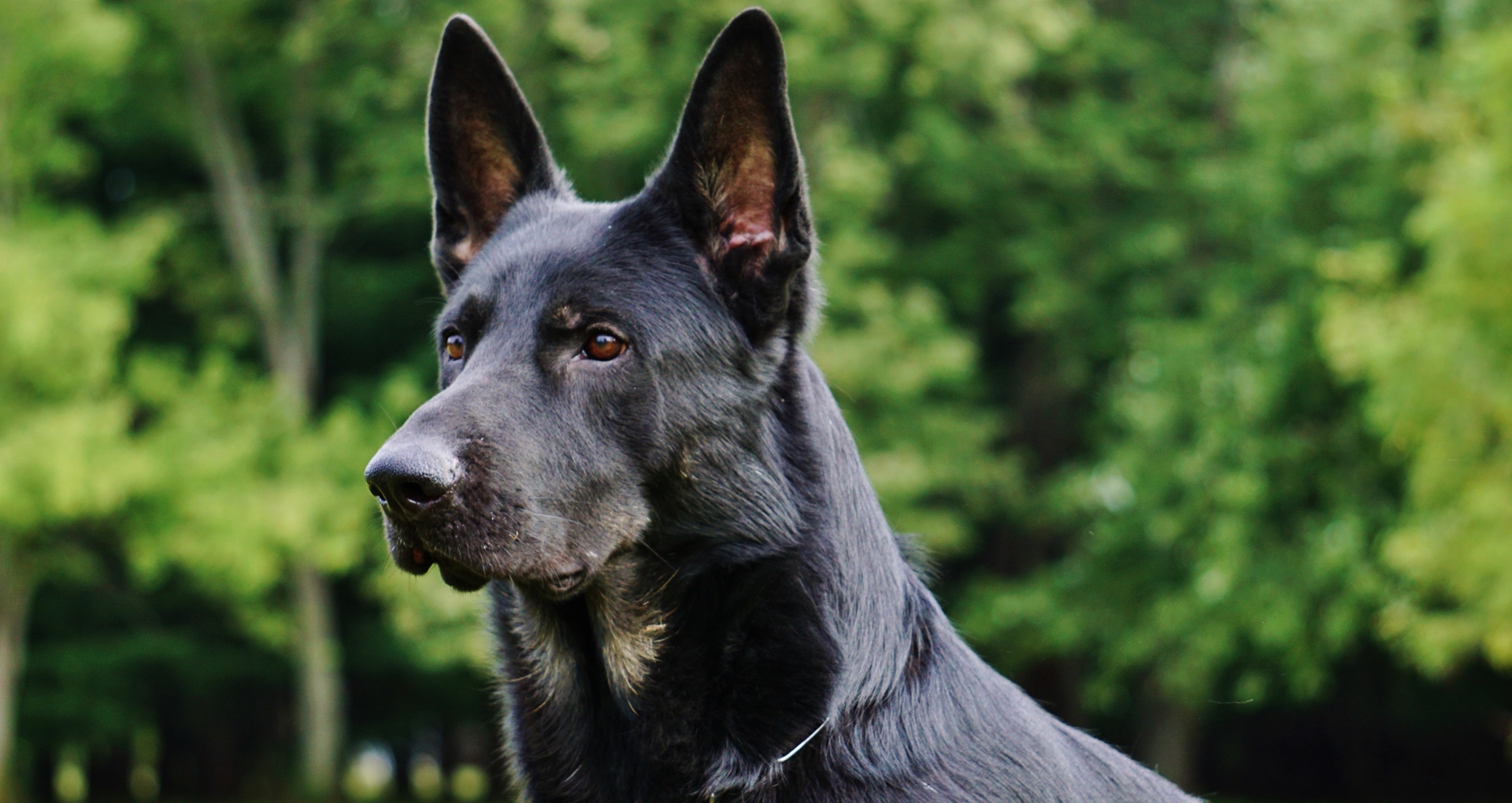
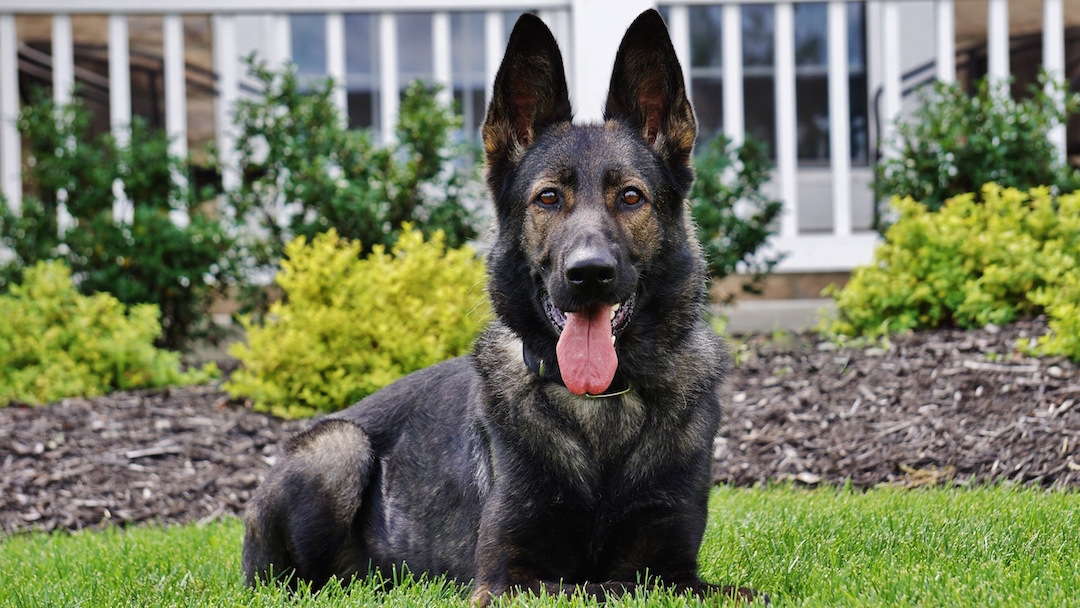
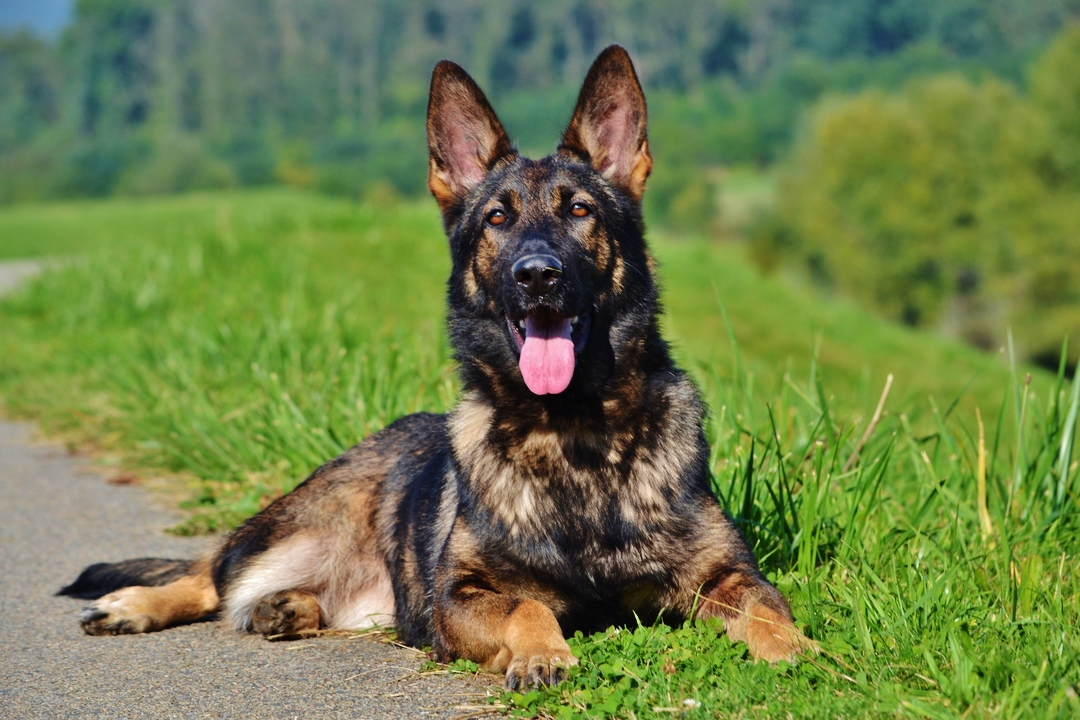
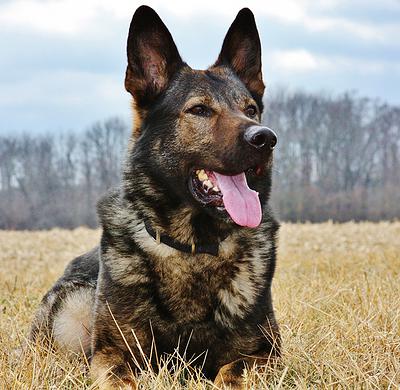
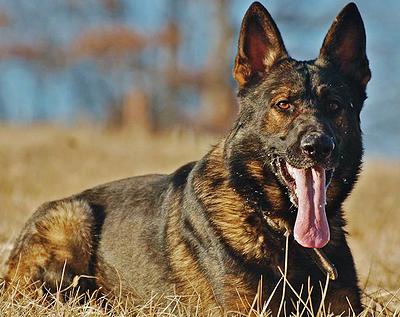
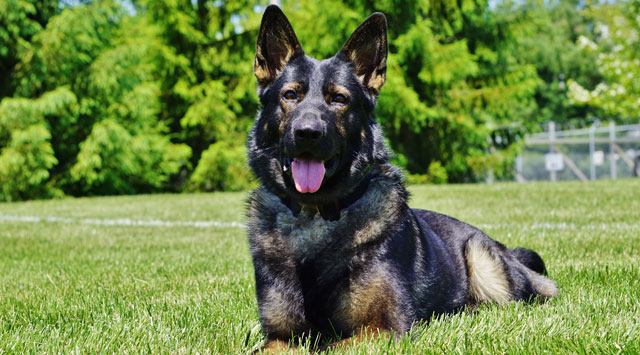
When properly selected and developed, the German Shepherd consistently meets this standard.
German Shepherd Temperament and Protection Instinct
The German Shepherd’s protective instinct is rooted in its working heritage. These dogs were developed to be alert, responsive, and aware of their environment.
That instinct alone, however, is not enough. A German Shepherd protection dog must channel natural watchfulness into disciplined response. The goal is a protection dog with clarity and control.
There is an important difference between a dog that is instinctively watchful and one that has been trained to respond reliably. A watchful dog may notice movement or unfamiliar people, but without structured development, its response can be inconsistent or emotionally driven.
A professionally trained protection dog, however, learns when to stay neutral, when to escalate, and when to disengage. That clarity is what creates real-world dependability for a family.
German Shepherds form deep bonds with their families. They are protective of the household as a whole, not just one individual. This makes them well suited for family-integrated protection.
A well-developed German Shepherd remains calm during normal activity. Children playing, guests arriving, and daily routines should not trigger an unnecessary response. The dog’s training teaches it to differentiate between everyday life and genuine threat.
Intelligence and Trainability
Few breeds match the German Shepherd’s working intelligence. The breed is widely known for its ability to learn quickly, adapt to new situations, and retain complex commands over time. This intelligence provides a major advantage when developing a reliable protection dog.
A German Shepherd can quickly understand structured expectations and distinguish between different roles in daily life. With proper development, the dog learns to differentiate protection work, obedience commands, and normal household behavior.
This ability to separate tasks is critical for family-integrated protection. The dog understands when it is simply part of everyday family life and when it must respond with controlled capability.
A well-developed German Shepherd protection dog can:
- Learn and retain complex commands
- Differentiate between protection work and normal household behavior
- Adapt to new environments without losing composure
- Maintain obedience even under distraction
Structured obedience training forms the foundation for all protection capability. Without obedience, protection training lacks clarity and control.
The difference between a trained protection dog and an untrained dog is not drive; it is discipline. Professional training channels the breed’s natural drive into reliable response rather than impulsive behavior.
High trainability offers clear advantages for families:
- Faster development
- More consistent behavior
- Clear communication between dog and owner
- Easier long-term ownership
When intelligence and drive are paired with structure, the result is elite training built on control, reliability, and trust.
Physical Capability and Endurance
The German Shepherd’s physical structure reflects its working heritage. This is a breed developed for sustained physical effort rather than short bursts of activity.
According to the American Kennel Club’s German Shepherd Dog breed overview, the breed was originally developed for demanding work that required strength, endurance, and adaptability across varied terrain.
German Shepherds offer a balanced combination of:
- Muscular strength
- Athletic movement
- Strong endurance
- Agility paired with stability
For families, this capability translates into a dog that can keep pace with daily life. Whether traveling, spending time outdoors, or maintaining an active routine, the German Shepherd has the stamina to remain engaged and dependable.
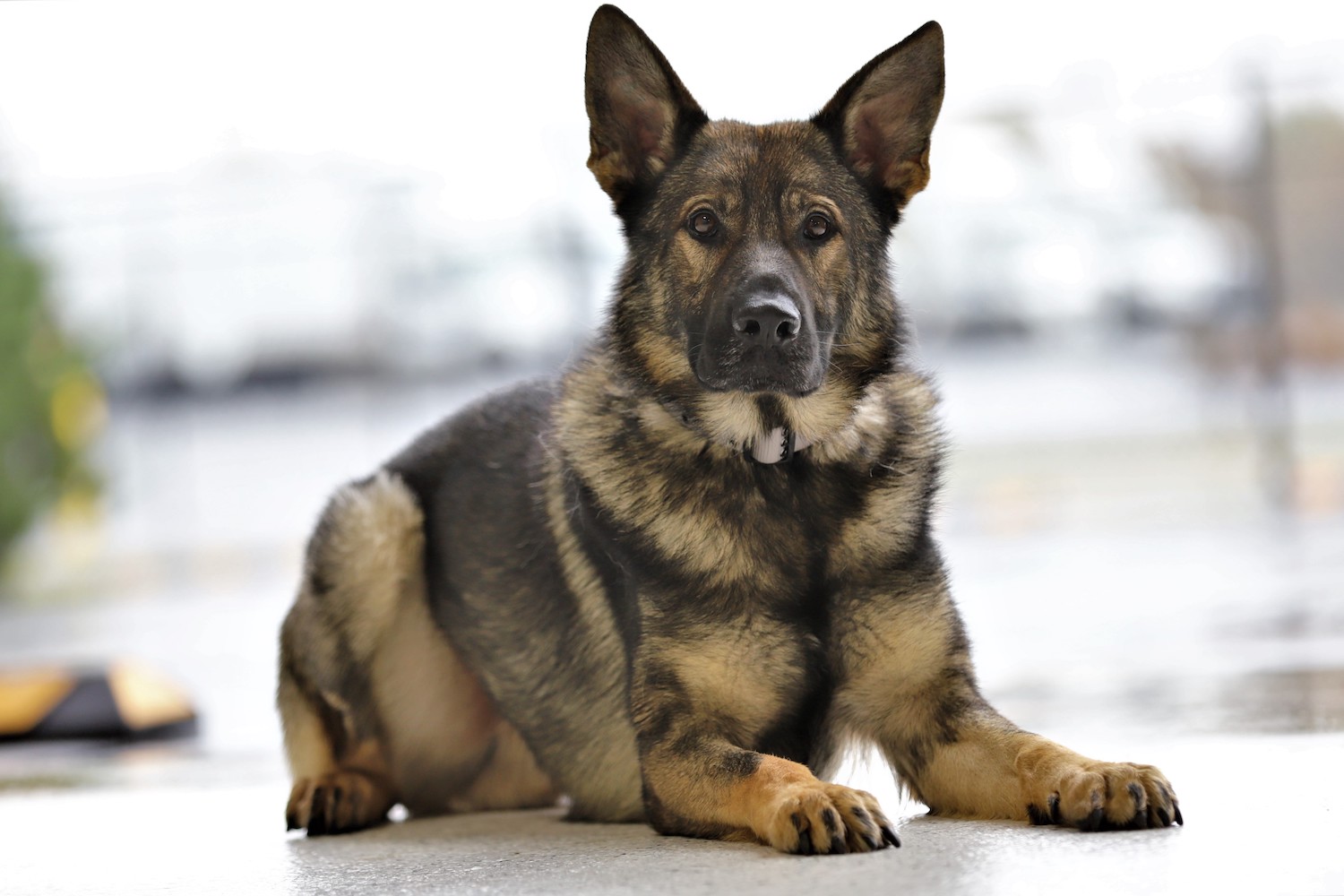
The breed’s physical presence also serves as a natural deterrent. A well-trained German Shepherd carries calm authority. Confidence is visible in posture and composure rather than exaggerated displays.
Compared with some other protection breeds, the German Shepherd offers a balance of power and agility. They are strong enough to perform demanding tasks while remaining athletic and mobile in everyday environments.
This balance makes the breed especially well suited for family-integrated protection. They are capable when needed, yet comfortable living as a trusted companion in daily family life.
Confidence and Stability Under Pressure
Stability matters more than intensity. A protection dog should be calm 99% of the time. The remaining 1% is where training and control matter most.
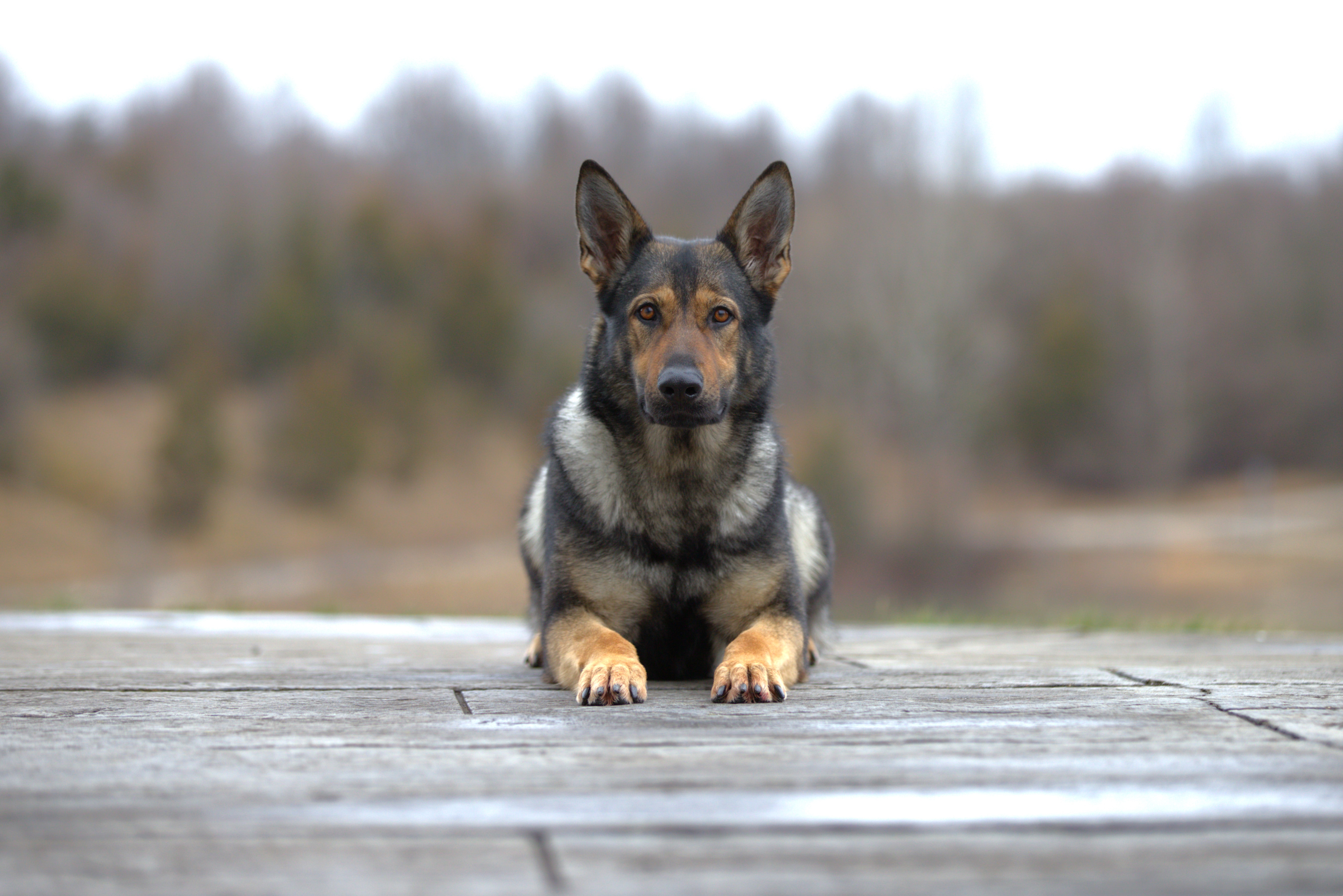
German Shepherds are known for their composure in unfamiliar environments. Whether in public spaces or during travel, a well-trained dog behaves predictably.
A stable German Shepherd:
- Remains neutral around strangers
- Maintains obedience despite distraction
- Does not escalate unnecessarily
- Demonstrates controlled confidence
For families, this stability ensures the dog enhances daily life rather than complicating it. A trusted companion should feel steady and reassuring, not unpredictable.
Versatility: What Sets the German Shepherd Apart
Versatility is one of the German Shepherd’s defining strengths.
This breed can operate across multiple roles without sacrificing integration. A professionally trained German Shepherd protection dog may serve as:
- Personal protection support
- Home security presence
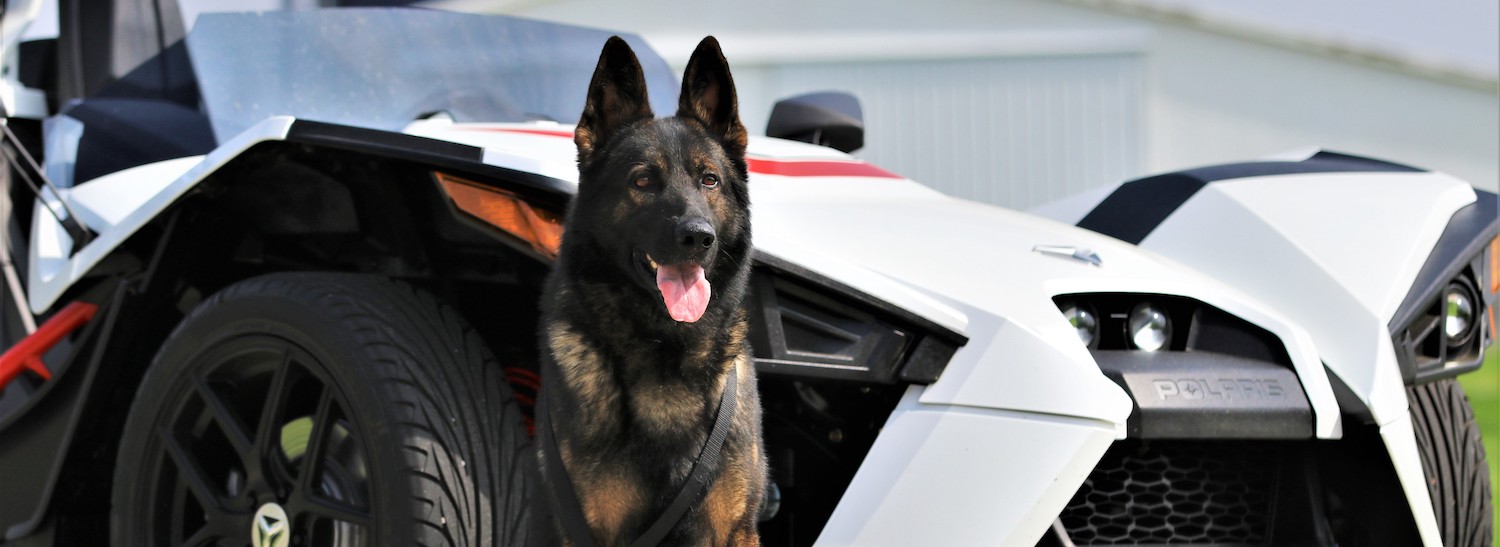
- Travel companion
- Everyday family companion
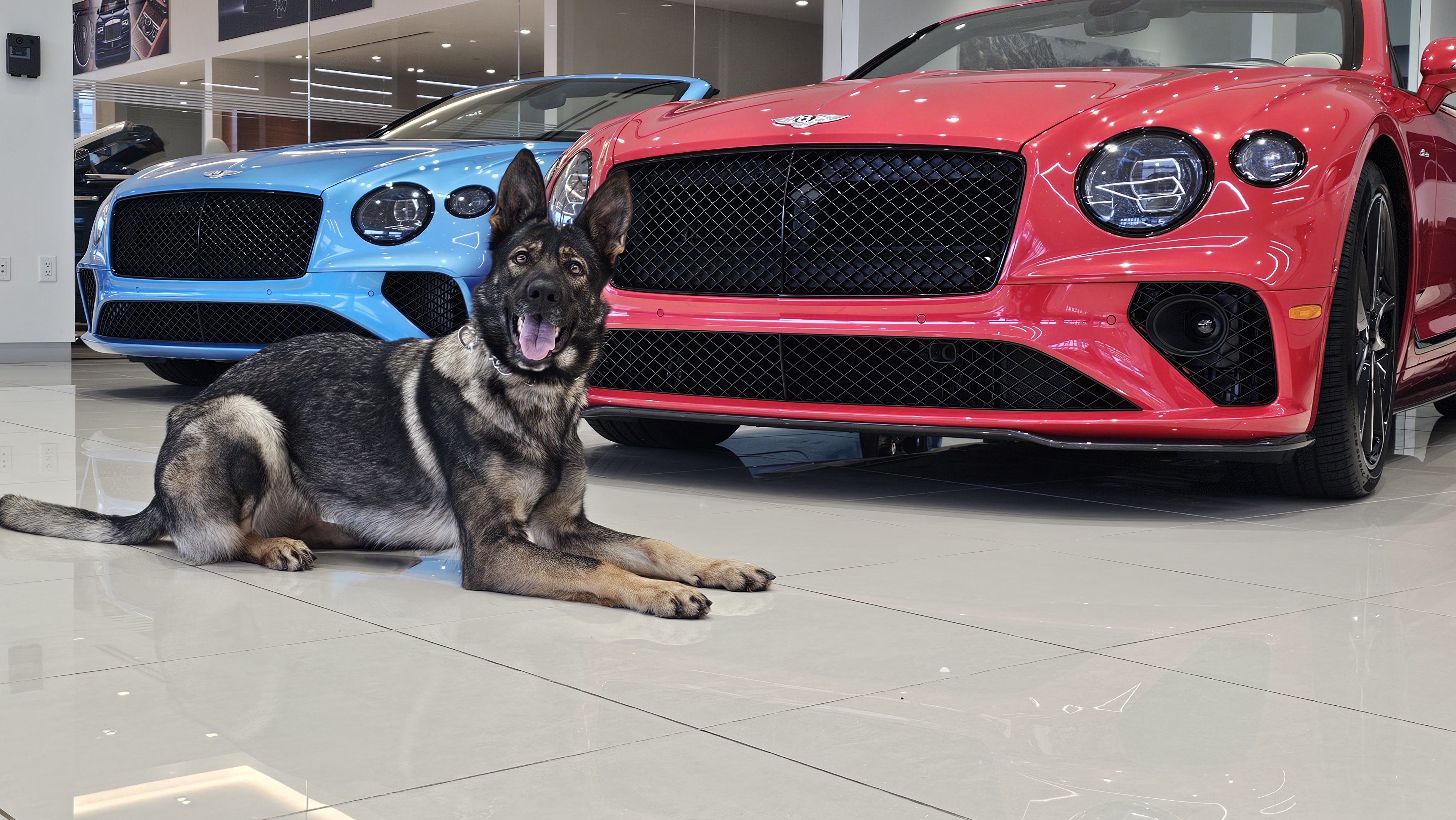
Adaptability matters. Families have routines, travel plans, social events, and changing environments. The German Shepherd adjusts without losing capability.
Versatility results from both genetics and deliberate development. Breed potential alone is not enough. Structured training unlocks that potential in a controlled way.
Many families explore questions such as Can a protection dog outperform a bodyguard? In many scenarios, a properly trained dog offers constant presence and layered awareness that traditional security cannot replicate.
The German Shepherd’s adaptability makes that possible.
When a German Shepherd May Not Be the Right Protection Dog
Not every household is the right match. German Shepherds require:
- Consistent structure
- Physical engagement
- Clear leadership
- Ongoing professional guidance
Low-activity households or environments lacking routine may struggle with this breed’s needs.
Families who want a low-maintenance security presence without interaction or involvement may not find the right fit in a German Shepherd.
First-time owners who are unwilling to invest in continued development and professional support should consider whether they are prepared for the responsibility. Priority 1 Canine believes every placement should succeed. Honest evaluation ensures the right dog joins the right family.
Breed vs. Training: What Really Determines Protection Success?
The breed creates potential. Training and placement determine outcome.
A German Shepherd protection dog must be selected for:
- Stable temperament
- Clear-headed response
- Trainability
- Family-appropriate disposition
Priority 1 Canine protection dogs are screened for stability first. Physical capability alone is not enough.
Environment-based training prepares each dog for real life. Families do not live in controlled training fields. They live in neighborhoods, cities, and active communities.
That’s why our placement process matches each dog to:
- Household structure
- Lifestyle demands
- Security priorities
- Experience level
No two families are identical, just as no two dogs are identical.
Priority 1 Canine also remains involved long after placement. Through our delivery and family training process, the team ensures each dog transitions smoothly into the home environment.
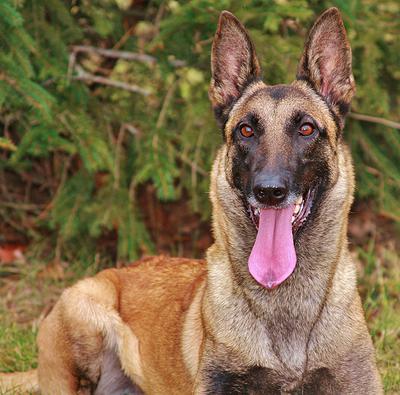
For families comparing breeds, reviewing our insights on Belgian Malinois vs. German Shepherd can clarify which characteristics align best with your needs.