4 Elite Protective Dogs Breed Perfect For Your Family and Estate
Not every breed labeled a "guard dog" is built for real-world protection. The best personal protection dogs are alert enough to respond when it matters. They're also calm enough to live safely in your household as family companions.
Four breeds that consistently rank among top protection dogs include the Belgian Malinois, German Shepherd, Dutch Shepherd, and Rottweiler.
The best protection dog breeds mentioned share a core set of traits: high intelligence, strong trainability, a natural protective instinct, and the temperament to be reliable around a family.
But while breed matters, it doesn't tell the whole story. A dog's lineage, individual temperament, and the quality of its training are critical. That's why professional selection and structured training are essential for any real-world protection dog.
At a Glance: Top Protection Breeds Compared
| Trait | Belgian Malinois | German Shepherd | Dutch Shepherd | Rottweiler |
|---|---|---|---|---|
| Intelligence | Very High | Very High | Very High | High |
| Energy Level | Very High | Moderate to High | High | Moderate |
| Protective Instinct | Very High | High | Very High | High |
| Trainability | Very High | Very High | Very High | High |
| Family Adaptability | High (with training) | Very High | High | High (with structure) |
| Ideal For | Active households | Families and individuals | Versatile lifestyles | Confident handlers |
| Living Space | Space preferred | Adaptable | Adaptable | Space preferred |
What Makes a Dog Truly Suitable for Protection?
Real suitability comes down to specific qualities that hold up in the real world. Here's what separates a true family protection dog from one that just looks the part:
- Controlled response under stress. The dog reacts precisely, not impulsively.
- Scenario-based training. Real preparation for the situations a family actually faces.
- Clear threat assessment. The dog can distinguish a threat from a non-threat.
- Stability around children and daily family life.
- Environmental adaptability. The dog is calm in crowds, on travel, and in public spaces.
Belgian Malinois Protection Dog
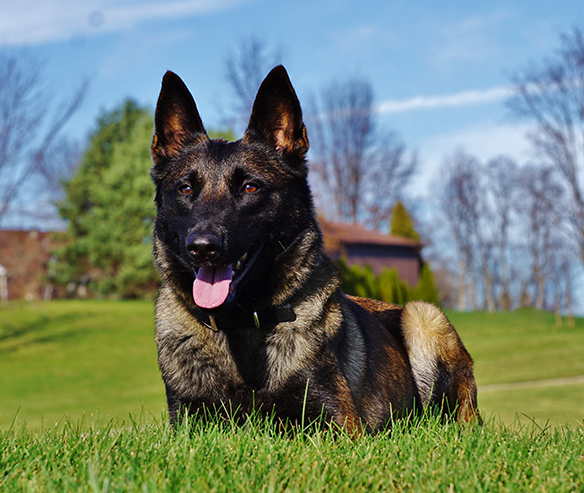 The Belgian Malinois is one of the most capable protection breeds in the world. They are known for their high drive, explosive athleticism, and exceptional responsiveness to handler commands. They are quick learners and thrive when they have a clear job to do.
For the right household, a properly trained Malinois is also a loyal and affectionate family companion. They tend to do well with children when raised and trained alongside them.
Key characteristics to know:
- Very high energy and needs structured daily exercise and mental stimulation
- Thrives with consistency and a clear routine
- Responds well to engaged handlers
- Short coat; manageable grooming needs
Of all the breeds in this category, the Belgian Malinois vs. German Shepherd is one of the most common comparisons. Both are exceptional, but they suit different households. The American Kennel Club (AKC) Belgian Malinois breed overview is also worth a look if you want a deeper dive into the breed's history and characteristics.
German Shepherd Protection Dog
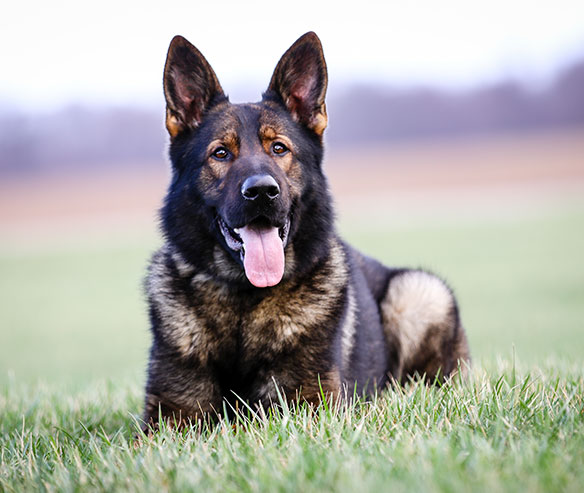 The German Shepherd is one of the most recognized and versatile working dog breeds in the world. Their intelligence, loyalty, and strong bond with their handler make them a long-standing choice for protection work.
German Shepherds are known for their courage under pressure and their ability to stay composed in stressful situations. They have a long history in law enforcement and military work, and they bring that same dependability to personal protection.
The German Shepherd is one of the most recognized and versatile working dog breeds in the world. Their intelligence, loyalty, and strong bond with their handler make them a long-standing choice for protection work.
German Shepherds are known for their courage under pressure and their ability to stay composed in stressful situations. They have a long history in law enforcement and military work, and they bring that same dependability to personal protection.
German Shepherds are a strong fit for many families because of their adaptability. They tend to be calm indoors while remaining alert and ready when a situation calls for it.
Key characteristics to know:
- Highly intelligent and eager to learn
- Strong handler bond that deepens with time and consistency
- Moderate-to-high exercise needs with a calm indoor presence
- Versatile across protection, family life, and service roles
- Medium coat; regular grooming required
German Shepherds are a popular choice for families and individuals who want a capable protection dog that also integrates naturally into daily life.
Dutch Shepherd Protection Dog
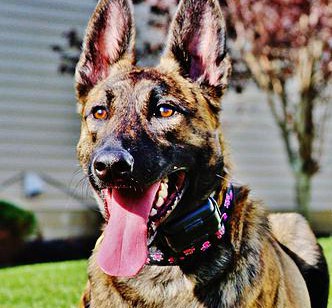 The Dutch Shepherd is one of the most capable protection breeds available. While less common than the Malinois or German Shepherd, they are equally impressive in terms of intelligence, work ethic, and drive.
Dutch Shepherds are prized for their sharp instincts and ability to adapt to varied environments. They are often sought after for police and military work worldwide, which speaks to their reliability and trainability.
For the right household, a Dutch Shepherd can be an exceptional family guardian. They tend to be naturally watchful and loyal to their family while being appropriately reserved with strangers.
Key characteristics to know:
- High drive and stamina, so they need purposeful daily activity
- Sharp intelligence that responds well to structured training
- Adaptable to different living environments with the right routine
- Medium brindle coat; moderate grooming needs
- Less common than other breeds, which means good breeding lines matter
If you haven't heard much about Dutch Shepherds before, that's not unusual. But those who know them often say they're among the best protection dogs available.
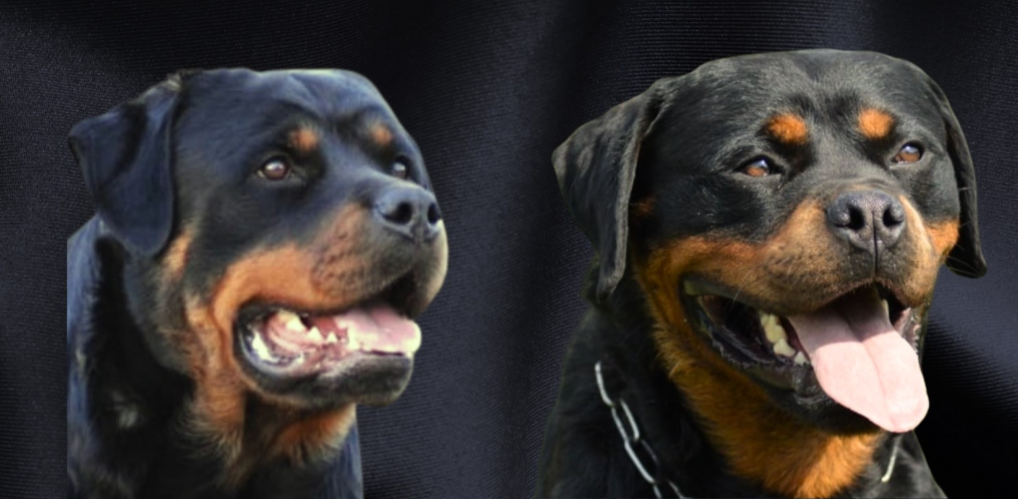
Rottweiler Protection Dog
The Rottweiler is a composed and confident breed with a long history as a working dog. They are loyal, deeply bonded to their family, and capable of providing a strong deterrent presence.
Despite their imposing size and reputation, well-trained Rottweilers are known to be calm and affectionate at home. They tend to be patient with children in their family and take their role as a family guardian seriously.
What makes a Rottweiler well-suited for protection is its loyalty and stable temperament that comes from good breeding and consistent training. Like any large working breed, they benefit from clear boundaries and structure.
Key characteristics to know:
- Large, powerful build, making them a natural deterrent by presence alone
- Confident and steady under pressure
- Deeply loyal to their household
- Benefit from clear boundaries and consistent leadership
- Short coat; lower grooming needs
Rottweilers tend to be a good fit for households that want a dog with both physical capability and a calm, steady presence at home.
Choosing the Right Protection Breed for Your Lifestyle
The best protection dog for someone else may not be the best one for you. Here are the key factors to think through before making a decision.
Home Environment
High-drive breeds like the Belgian Malinois and Dutch Shepherd do best with access to outdoor space. They need room to move and outlets for their energy. German Shepherds and Rottweilers can adapt to a wider range of living situations with consistent exercise.
Children and Other Pets
All four of these breeds can be excellent with children when trained and socialized properly. The key is professional training that accounts for your specific household, including the ages of your children and whether other animals are in the home.
Activity Level
The Belgian Malinois and Dutch Shepherd require significant daily activity and mental engagement. German Shepherds have moderate-to-high needs. Rottweilers are often more content with a structured daily routine and regular but less intense exercise.
Experience With Working Dogs
Some breeds are more forgiving of a learning curve than others. German Shepherds are often recommended for households that are newer to working breeds. That said, with proper training and support, motivated households can succeed with any of these breeds.
Long-Term Commitment
A protection dog isn't a short-term purchase. These dogs form strong bonds and require ongoing engagement, training reinforcement, and care for their entire lives. That long-term relationship is part of what makes them so effective.
Breed vs Training: What Matters More?
Breed is a starting point. But two dogs of the same breed can have very different outcomes depending on how they were selected, trained, and placed.
Here's what actually determines a protection dog's real-world reliability:
- Temperament screening: A dog's individual temperament is more predictive of performance than breed alone. This is why rigorous evaluation before training begins is so important.
- Scenario-based training: Real-world preparation, not just obedience, determines how a dog responds when it matters.
- Environment-specific preparation: Training should account for the household, the people, and the situations the dog will actually encounter.
- Professional placement and family integration: How a dog is introduced to a family directly affects how well it performs, and how safe and confident everyone feels.
This is the foundation of how we build every Priority 1 Canine protection dog. Our delivery and family training process is designed to make sure the dog and the family are genuinely prepared from day one.
In addition, many clients are surprised to learn that a protection dog can outperform a bodyguard in several real-world scenarios in terms of both response time and around-the-clock presence.
Frequently Asked Questions
What is the most protective dog breed?
There isn't one single answer. Belgian Malinois, German Shepherds, Dutch Shepherds, and Rottweilers all rank among the top protection breeds. The most important factors are the individual dog's temperament and the quality of its training, not just the breed.
Are protection dogs safe around children?
Yes, when properly trained and introduced. All four breeds covered here can integrate well into family life. The key is that training is tailored to your household, including your children's ages and how the dog will interact with them day to day.
Do protection dogs require professional training?
For real-world reliability, yes. A dog that hasn't been trained through a structured, scenario-based program won't perform consistently when a situation demands it. Professional training is what turns a capable dog into a dependable one.
Which breed is best for first-time protection dog owners?
German Shepherds are often a natural starting point for households newer to working breeds. They are intelligent, adaptable, and bond closely with their family. That said, the right breed depends more on your lifestyle and goals than on prior experience alone.
Are larger dogs always better for protection?
Not necessarily. The Belgian Malinois, for example, is medium-sized but considered one of the best protection breeds in the world. Physical size contributes to deterrence, but drive, training, and temperament matter just as much.
How much exercise do these breeds need?
It varies. Belgian Malinois and Dutch Shepherds have very high exercise needs and require daily structured activity. German Shepherds need regular exercise but tend to settle well indoors. Rottweilers do well with consistent daily exercise and are generally less intense in their energy demands.
Can a protection dog also be a family pet?
Absolutely. In fact, the best protection dogs live as full members of the family. The goal is to have a dog that’s useful in an emergency, while being trustworthy, loving, and capable every single day.
How Priority One Canine Selects Elite Protection Breeds
At Priority 1 Canine, breed selection is just the beginning. We start by evaluating lineage and individual temperament before a dog ever enters our training program.
Every dog we place goes through rigorous, scenario-based training designed around real-world protection. We then work directly with each family to ensure the dog is integrated properly into your specific environment and routine. Our goal is to provide a trained dog that is a lifetime partner you can genuinely rely on.
If you're ready to explore which breed and dog might be the right fit for your goals and lifestyle, we'd love to talk. Reach out to us. We're happy to walk through your situation and help guide you toward the right decision for your family.