
Why Rottweilers Make Great Protection Dogs
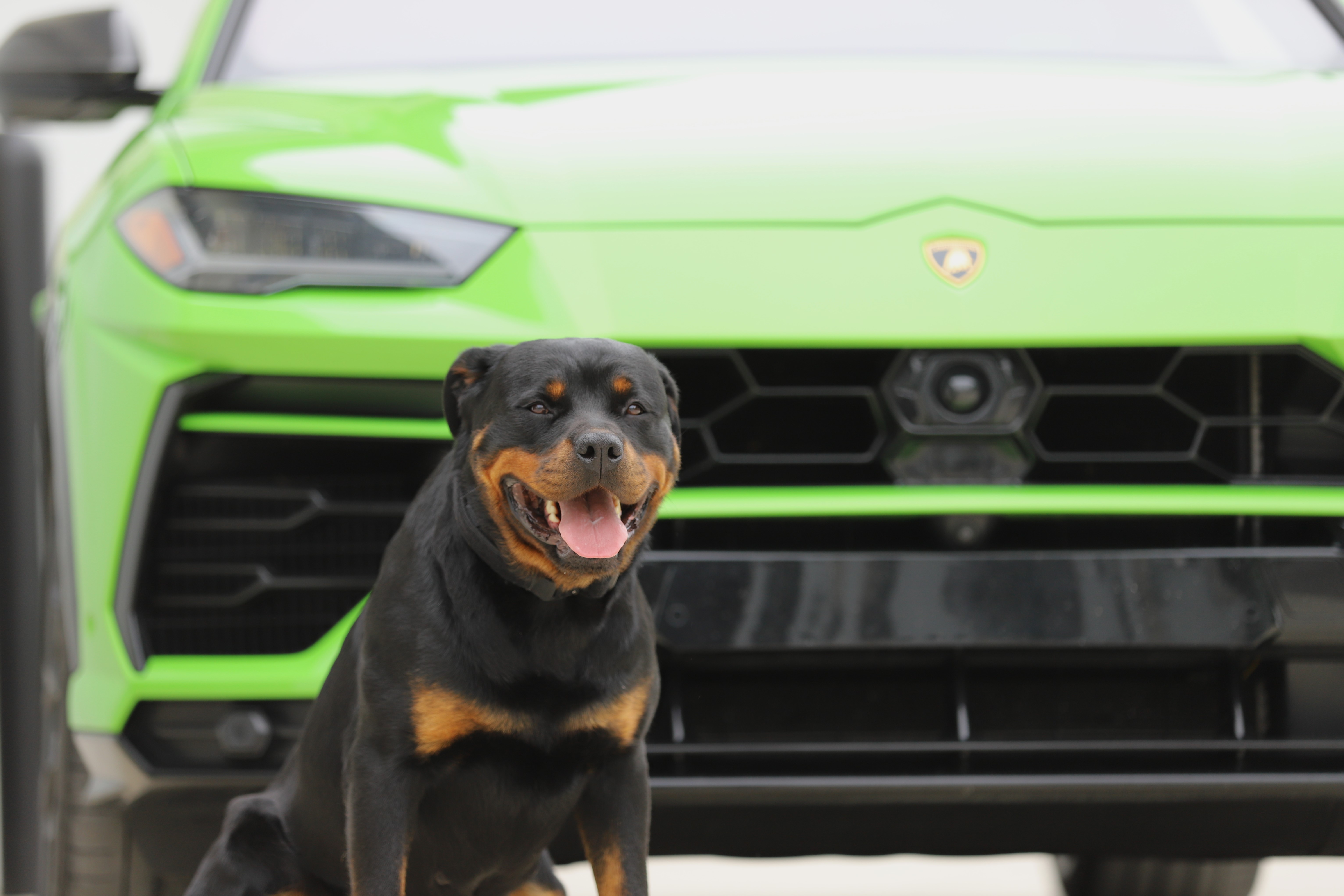
The Rottweiler was shaped by work that required close partnership with people. That history produced a dog with natural awareness, a steady temperament, and a strong bond to its family.
What sets the breed apart is not just protective instinct, but stability. A good protection Rottweiler stays composed, reads situations clearly, and responds with control.
That balance is what makes Rotties excellent family protection dogs. They live as part of the household while maintaining the awareness and capability to act when needed.
With the right selection and training, those traits translate to reliable behavior in real-world environments.
Is a Rottweiler the Right Protection Dog for Your Household?
A Rottweiler is often the right choice for families who want a protection dog that brings steadiness into the home rather than constant intensity.
Compared to higher-drive working breeds, the Rottweiler tends to be more deliberate, more grounded, and easier to live with day to day. They are present without being overwhelming, and capable without needing to be "on" at all times.
That makes them especially well-suited for households that want protection without sacrificing a calm, stable home environment.
That said, every family’s needs are different. Some may prefer a more active, higher-drive dog like a Belgian Malinois, while others may lean toward the versatility of a German Shepherd, the athleticism of a Dutch Shepherd, or the alert, responsive nature of a Doberman.
The right choice comes down to how you live, what you expect from the dog, and how you want that dog to fit into your daily life.
How Priority One Canine Places Rottweilers
All Priority One Canine protection dogs are selected and developed with long-term success in mind. That starts with purpose-bred dogs chosen for temperament stability, trainability, and family compatibility.
The matching process is equally important. Priority One Canine evaluates the family’s structure, lifestyle, and security goals before recommending a dog. That approach helps make sure the dog fits the home.
The process continues after delivery. Families receive in-home transition training and ongoing support to help the dog become fully integrated into daily life.
The result is a protection dog that integrates naturally into the home and performs with reliability when it matters.